If you’re planning Malta luxury holiday experiences and mostly thinking about limestone cities, yacht harbors, and swimming coves, you’re missing a big part of the story. Malta’s food is quieter than Italy’s and less flashy than Spain’s, but it’s deeply rooted in the island’s history and geography.
This is Mediterranean food shaped by scarcity, sea winds, and centuries of outside influence — Italian, Arabic, British. It’s simple. Rustic. Sometimes unexpectedly rich. And if you know what to order, it’s genuinely satisfying.
I’ve eaten in Valletta wine bars, family-run kitchens in Mdina, and no-frills seaside spots in Marsaxlokk. Here’s what you should actually look for — and what many travelers overlook.
Pastizzi: Start Here, Not at a Fancy Restaurant
Before you book a polished dinner, find a local pastizzeria.
Pastizzi are flaky pastries usually filled with ricotta or mushy peas. They’re cheap. Messy. Addictive.
The first time I tried one in Rabat, I stood on the sidewalk with locals on their lunch break. No one was taking photos. No one was rushing. It felt like daily life.
Most people miss this because they associate Malta with upscale dining and waterfront views. But pastizzi are the real introduction. Eat them hot. Two is normal. Three is understandable.
Ftira: The Maltese Sandwich That Deserves Attention
Ftira is a ring-shaped or flat Maltese bread, often used for sandwiches. Think tuna, olives, capers, tomatoes, olive oil.
In Gozo, I had a ftira filled with fresh tomato paste and local cheese while sitting on a stone wall overlooking terraced fields. Simple ingredients. Big flavor.
This is where trips often go wrong: travelers stick to hotel breakfasts and skip local bakeries. Find a bakery in the morning. Order ftira or just warm bread with olive oil. It sets the tone for the day.
Rabbit Stew (Stuffat tal-Fenek): The National Dish
Rabbit stew is Malta’s most famous traditional dish.
Slow-cooked with garlic, tomatoes, wine, and herbs, it’s hearty without being heavy. Often served with potatoes or pasta on the side.
It’s not glamorous. It’s comforting.
I once had it in a small restaurant outside Mdina. No dramatic presentation. Just a clay dish placed in the center of the table. The meat was tender enough to fall apart with a fork.
If you’re hesitant about rabbit, this might be your moment to try it. But choose a reputable restaurant known for doing it well. Bad rabbit can be dry. Good rabbit is memorable.
Seafood: Better Than You Expect
Malta sits in the middle of the Mediterranean. Seafood matters.
Lampuki (dorado or mahi-mahi) is especially popular in season, often baked in a pie with spinach and olives or simply grilled.
In Marsaxlokk, the fishing village, I ordered grilled octopus at a harbor-side restaurant. It was lightly charred, drizzled with olive oil and lemon. Nothing complicated. Just fresh.
Most travelers eat seafood only in obvious tourist spots along Sliema’s waterfront. Instead, go to smaller coastal towns. Look for handwritten menus. Ask what’s fresh today.
Bragioli: Malta’s Beef Rolls
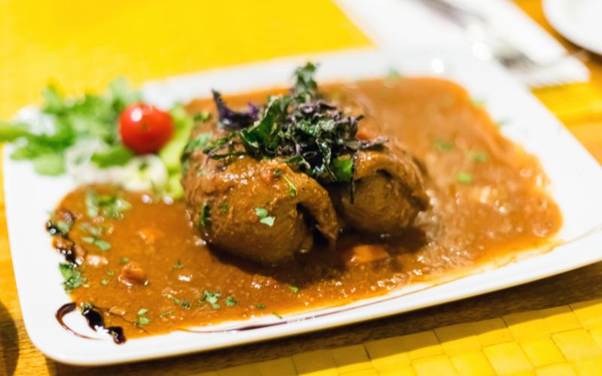
Bragioli (also called “beef olives”) are thin slices of beef rolled around breadcrumbs, bacon, egg, and herbs, then braised in a rich sauce.
It sounds heavy. It is a bit heavy. But paired with a glass of local red wine, it makes sense.
This isn’t everyday food for most Maltese families anymore. It’s more of a Sunday or special-occasion dish. If you see it on a traditional menu, consider ordering it.
Gbejniet: Small Cheese, Big Identity
Gbejniet are small round cheeses made from sheep’s or goat’s milk. They can be fresh, dried, or peppered.
You’ll find them in salads, on platters, or simply served with bread and olive oil.
On Gozo, I stopped at a tiny farm shop selling fresh gbejniet wrapped in paper. Slightly tangy. Creamy. Paired with a local tomato. Perfect.
If you’re exploring beyond Valletta — and you should — try them there. They feel more connected to the land.
Timpana: Pasta, But Maltese Style
Timpana is a baked pasta pie — macaroni mixed with meat sauce, sometimes egg, wrapped in pastry.
Yes, it’s carb-heavy. But it reflects Malta’s Italian influence with a local twist.
It’s the kind of dish you share. Order it if you’re with family or a group. Not ideal for a light lunch before swimming.
Sweets and Afternoon Breaks
Imqaret are deep-fried date-filled pastries, often sold at markets or festivals.
I bought one from a small stand near Valletta’s entrance. It was warm, sticky, and surprisingly satisfying. Best eaten fresh.
Cannoli also appear frequently, thanks to Sicily’s influence. Not uniquely Maltese, but widely available.
And coffee culture here is strong. Sit at a café in Valletta. Order espresso. Watch the harbor.
Wine and Local Drinks
Malta produces good local wines, especially from indigenous grape varieties like Ġellewża and Girgentina.
If you’re enjoying Malta luxury holiday experiences that include curated tastings, take advantage. But even casual restaurants often carry solid local bottles.
Cisk beer is the everyday option. Simple. Refreshing. Good in the heat.
A Few Honest Observations
Portions in Malta can be generous, especially with traditional dishes.
Service can be relaxed. Don’t expect rushed meals.
Menus often mix Italian and Maltese dishes. If you want local, ask specifically for Maltese specialties.
And yes, some waterfront restaurants cater heavily to tourists. This doesn’t mean they’re bad — just check reviews and walk a street or two inland if you want something more authentic.
Most importantly, balance your meals. Malta’s traditional food leans hearty. Mix in salads, seafood, and lighter bites.
Final Thoughts
Malta’s food scene isn’t about reinvention. It’s about identity.
Start with pastizzi on the street. Move on to ftira from a bakery. Try rabbit stew in a traditional restaurant. Eat seafood by the harbor. Taste local cheese in Gozo.
Don’t expect dramatic flavors. Expect comfort. Freshness. Simplicity.
If you plan your days around exploration — from Valletta’s stone streets to Gozo’s quiet countryside — let food be part of the rhythm. Stop when you see a local bakery. Ask what’s fresh. Order slowly.
Malta rewards curiosity, not speed.
And if you approach it with an open mind — whether traveling independently or through Malta luxury holiday experiences — you’ll leave understanding the island in a much deeper way.
FAQs About Food in Malta
1. Is Maltese food similar to Italian food?
There’s strong Italian influence, especially in pasta and pastries, but Maltese dishes like rabbit stew and bragioli are distinct and rooted in local tradition.
2. Is Malta good for seafood lovers?
Yes. Fresh fish and octopus are widely available, especially in coastal towns like Marsaxlokk.
3. Are vegetarian options available?
Yes, though traditional dishes are often meat-based. Salads, gbejniet cheese, ftira variations, and pasta dishes offer good alternatives.
4. Is Maltese food very heavy?
Some traditional dishes are rich and filling. Balance them with lighter seafood and salads during your trip.
5. Where should I eat for authentic food?
Look beyond the busiest waterfront strips. Explore side streets in Valletta, Mdina, and smaller villages.
6. Is tap water safe in Malta?
Technically yes, but it can taste heavily mineralized. Many travelers prefer bottled water.
7. What’s the biggest food mistake travelers make?
Skipping local bakeries and sticking only to hotel restaurants. Malta’s everyday food culture is found on the street and in small family-run spots.