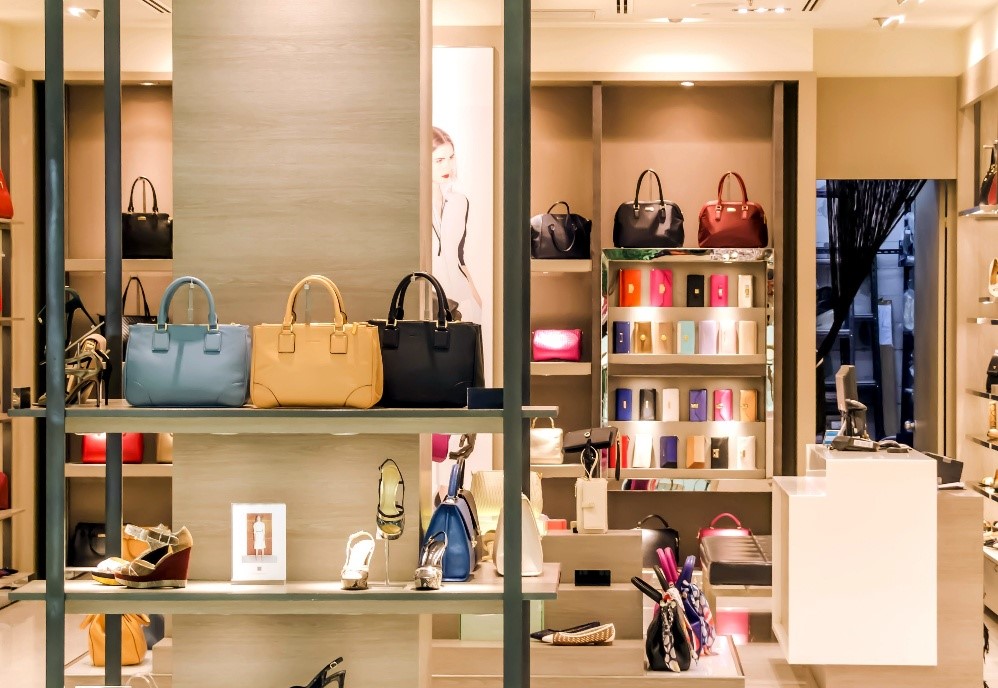
Luxury fashion is a worldwide phenomenon and affects TikTok, trade, and everything in between. The market’s impressive transformation, and growing appetite shifts toward premium quality fashion, stems from changing consumer behavior, tech-enhanced shopping experiences, and a desire for exclusivity. These brands such as Dior, Balenciaga, Off-White, and Hermès are selling more than products; they are selling aspiration, identity, and status.
Luxury Fashion Market Expected to Surpass $370 Billion by 2030
As per MRFR Analysis, the global luxury fashion market was valued at USD 279.14 billion in 2023 and is projected to grow to USD 379.30 billion by 2032, with a CAGR of 3.46% from 2024 to 2030.
Even though Europe and North America are still strong contenders in the fashion realm, Asia Pacific and China, together with South Korea and India, are joining the race. Brands’ reputation is now held in a greater regard as mark owners, digital interaction, and exclusiveness are now reshaping the world, especially for millennials and generation Z who add up to over 60% of the global purchases.
What is Causing the Rise in Luxury Fashion?
1. E-Commerce and Its Advantages
Luxury brands that were once reluctant to implement e-commerce have fully embraced it in its entirety. Prada, Louis Vuitton, and Gucci now have fully functioning websites coupled with AR-based virtual try-on features. The luxury e-commerce sector is expected to reach USD 91 billion by 2025, making it an essential channel for development.
2. Socially Responsible Consuming
Modern-day shoppers now scrutinize brands. Ethical fashion has champions like Stella McCartney and Chloé, while others such as Burberry and Kering are making promises to become carbon neutral. Bain & Company has conducted a study that shows 73 percent of Gen Z luxury consumers regard sustainability as a decisive factor during shopping.
3. Limited Edition Collaborations
Luxury fashion is adopting the hype model. The North Face with Gucci or Louis Vuitton with Supreme collaborations has blurred the lines between streetwear and high fashion, creating urgency and a sense of luxury that was formerly reserved for the elite. These collaborations are like limited-edition drops that sell out in a matter of hours and enhance brand exposure and engagement.
4. Innovation Driven by Technology
Luxury innovation includes the hottest trends like blockchain verification and AI shopping assistants. The Fabricant and DRESSX are digital fashion companies exploring virtual clothing and appealing to a new generation of luxury consumers.
5. Circular Luxury and Resale
The second-hand luxury market is booming, estimated to reach $77 billion by 2025. The RealReal, Vestiaire Collective, and Fashionphile are empowering consumers to purchase and resell luxury items, contributing to conscious consumption. Innovative brands like Valentino and Balenciaga are exploring certified pre-owned initiatives to evolve with changing consumer demands.
Regional Insights: Where the Focus is Shifting
Europe remains the traditional luxury powerhouse, home to legacy houses and historic fashion weeks.
- Asia-Pacific is rapidly expanding, driven by digitally savvy middle-class consumers.
- Middle East and Africa are emerging as luxury hubs, where affluent millennials are fueling demand for high-end fashion and accessories.
- Latin America shows promise, particularly in Brazil and Mexico, where flagship stores are being opened and luxury brands are launching localized online platforms.
Future
Despite its resilience, the luxury fashion sector faces hurdles:
- Counterfeiting remains a billion-dollar issue, threatening brand reputation and consumer trust.
- Global sourcing and distribution can be affected by supply chain issues and geopolitical conflicts.
- The fast fashion industry along with influencer culture is contributing to the over-commercialization of brands, which in turn threatens to weaken brand exclusivity.
- Brands need to find a middle ground when it comes to innovation and heritage, market exclusivity and accessibility, as well as growth and sustainability.
The Future: Phygital Luxury and Tailored Customer Interactions
With the future of luxury fashion focused on hyper-personalization, brand immersion, and eco-friendly creativity, the evolving physical-digital boundaries (phygital) offer immense potential. Fashion is experienced, not just worn, as evidenced by items like NFTs that grant access to physical products, AI stylists, and bespoke luxury goods.
Citations:
- Market Research Future. Luxury Fashion Market Research Report—Global Forecast till 2030. https://www.marketresearchfuture.com/reports/luxury-fashion-market-1770
- Bain & Company. Luxury Goods Worldwide Market Study, Fall–Winter 2023. https://www.bain.com/globalassets/noindex/2023/bain_altagamma_luxury_goods_worldwide_market_study_2023.pdf