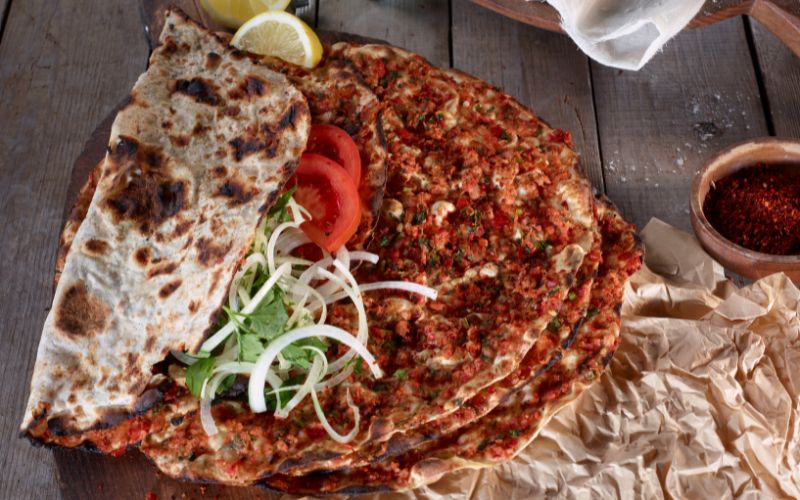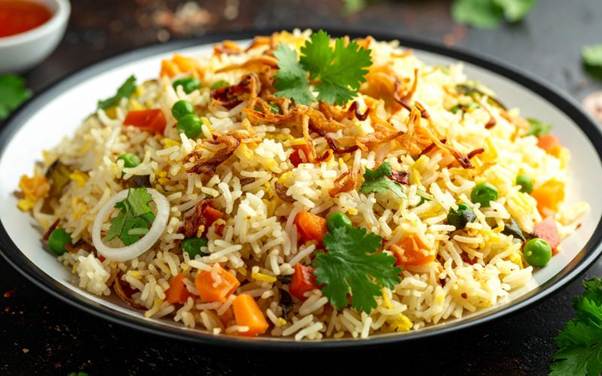
Indonesia doesn’t introduce its food gently. It throws flavors at you from day one. Sweet, spicy, smoky, fermented, fried. Often all in one meal. If you expect neat courses or clear categories, this is where trips often go wrong.
Indonesian food is everyday food. It’s eaten early, late, standing up, sitting on plastic stools, or packed into paper and taken home. The best meals are rarely planned. They just happen when you’re hungry and something smells good.
I’ve eaten Indonesian food across islands, budgets, and moods. The dishes below aren’t just famous names. They’re what locals actually eat, return to, and argue about. That’s usually a good sign.
If you’re visiting as part of Indonesia family vacation packages, understanding the food early helps everything else fall into place—especially when meals need to work for different ages and spice tolerances.
Indonesia – how to approach eating here
First rule: don’t try everything at once. Indonesian food is rich and layered. Pace matters.
Second: menus don’t always tell the whole story. Some dishes are made once a day. Some stalls sell only one thing. If it’s busy, it’s probably good.
Third: rice is not a side. It’s the base. Meals are built around it.
Nasi goreng – familiar, but don’t underestimate it
Yes, it’s fried rice. No, it’s not just fried rice.
Real nasi goreng is smoky, slightly sweet, often spicy, and cooked fast. Topped with a fried egg. Sometimes chicken, sometimes shrimp, sometimes just enough to add flavor.
Eat it for breakfast at least once. That’s when locals eat it, and that’s when it tastes right.
Most people miss this detail: hotel nasi goreng and street nasi goreng are very different foods. The street version wins.
Satay – simple skewers, endless variations
Satay looks straightforward. Meat on sticks. Sauce on top.
But the variety matters. Chicken, beef, goat. Peanut sauce, soy-based sauce, chili-heavy sauce. Every region has opinions.
Where it shines:
- Freshly grilled
- Served immediately
- Eaten hot, not packed to go
If the smoke hits your face before you see the stall, you’re in the right place.
Rendang – rich, slow, and misunderstood
Rendang is often called a curry. Locals don’t think of it that way.
It’s beef cooked slowly in coconut milk and spices until dry, dark, and deeply flavored. When done right, it’s intense but balanced. Not watery. Not greasy.
This is where trips often go wrong: people try rendang expecting something mild. It’s not. But it shouldn’t just be spicy either. Depth matters more than heat.
Eat smaller portions. It’s heavy.
Gado-gado – the salad that doesn’t feel like one
Vegetables, tofu, tempeh, eggs, peanut sauce. Gado-gado shows up everywhere.
It sounds healthy. It is. But it’s also filling and satisfying.
Quality depends entirely on the peanut sauce. If it’s freshly made, the dish works. If it’s flat, the whole thing collapses.
This is a good dish when you need a break from fried food without feeling like you’re missing out.
Soto – soup for every mood
Indonesia takes soup seriously. Soto is the umbrella term, but variations change by region.
Clear broth, turmeric broth, coconut-based. Chicken, beef, offal. Rice inside or on the side.
Locals eat soto in the morning, mid-day, and sometimes late at night. It’s comfort food.
Real-life moment: some of my best meals in Indonesia were bowls of soto eaten quietly, sweating slightly, while the day slowed down around me.
Tempeh – not a side, not a substitute
Tempeh isn’t a vegetarian compromise here. It’s a staple.
Fermented soybeans, sliced and fried or cooked in sauce. Nutty, firm, satisfying.
If you think you don’t like tempeh, you probably haven’t had it prepared well. Indonesia does it best.
This matters especially for families or mixed diets. Tempeh keeps meals flexible without feeling separate.
Sambal – choose wisely
Sambal is chili paste, but that description doesn’t help much.
There are dozens of types. Raw, cooked, sweet, sharp, brutal.
Don’t say “no chili” immediately. Ask which sambal is mild. Add a little. Then decide.
Most people make the mistake of being brave too early. There’s no prize for suffering.
Street food vs. restaurants – both matter
Street food gives you immediacy. Restaurants give you consistency.
Eat street food where locals line up. Eat restaurant food when you want to slow down or need air-conditioning.
Both are valid. Mixing them keeps you from burning out.
If you’re traveling with kids, start with simple dishes—fried rice, satay, noodles—and expand slowly.
Regional notes worth knowing
- Jakarta – endless variety, best for sampling everything
- Yogyakarta – sweeter flavors, gentler spice
- Bali – more international, but local warungs still shine
Don’t expect one “Indonesian cuisine.” Think plural.
Desserts and sweets – subtle, not overwhelming
Indonesian desserts are usually lightly sweet. Rice-based, coconut-heavy, often warm.
Try them when offered, but don’t hunt aggressively. They’re meant to finish meals quietly, not steal attention.
Final thoughts
Indonesian food rewards curiosity, patience, and restraint. Eat what’s local to where you are. Don’t compare dishes across islands too aggressively. Let them stand on their own.
Whether you’re traveling solo or through Indonesia family vacation packages, food becomes easier—and better—once you stop chasing highlights and start eating like it’s just another part of the day.
That’s when Indonesia really feeds you.
FAQs
1. Is Indonesian food always spicy?
No, but chili is common. You can usually ask for less sambal.
2. Is street food safe to eat?
Yes, if you choose busy stalls with high turnover.
3. Are vegetarian options easy to find?
Yes. Tempeh, tofu, vegetables, and eggs are widely used.
4. Do meals follow strict times?
Not really. Food is available all day, but mornings and evenings are best.
5. Should I eat with a spoon, fork, or hands?
All are common. Follow what locals do where you are.
6. Is Indonesian food kid-friendly?
Yes. Many dishes are mild and familiar in texture.
7. What’s the biggest food mistake visitors make?
Trying to eat everything in the first two days.