If you’re looking at Germany family vacation packages and thinking mainly about castles, Christmas markets, and efficient trains, you’re only seeing half the picture. Germany is one of Europe’s most regionally diverse food countries — not flashy, not overly refined, but deeply local. The food shifts every few hours on the train.
And that’s where most people get it wrong.
They come expecting “German food” as one single thing: sausages, pretzels, beer. Those exist, yes. But Bavaria doesn’t taste like Berlin. The Rhineland doesn’t eat like Saxony. Even bread changes dramatically from one region to the next.
If you approach Germany as a food traveler — curious, observant, willing to step into a traditional tavern without overthinking it — you’ll eat very well here.
Let’s break it down by region, the way you’ll actually experience it.
Bavaria: Hearty, Comforting, and Proud of It
Start in southern Germany, around Munich and the Alps.
Bavarian food is generous. Pork-heavy. Built for cold weather and long afternoons in beer halls.
Order Schweinshaxe (roasted pork knuckle) at least once. It’s crisp on the outside, tender inside, usually served with potato dumplings and gravy. It’s big. Too big for one person sometimes. Sharing is smart.
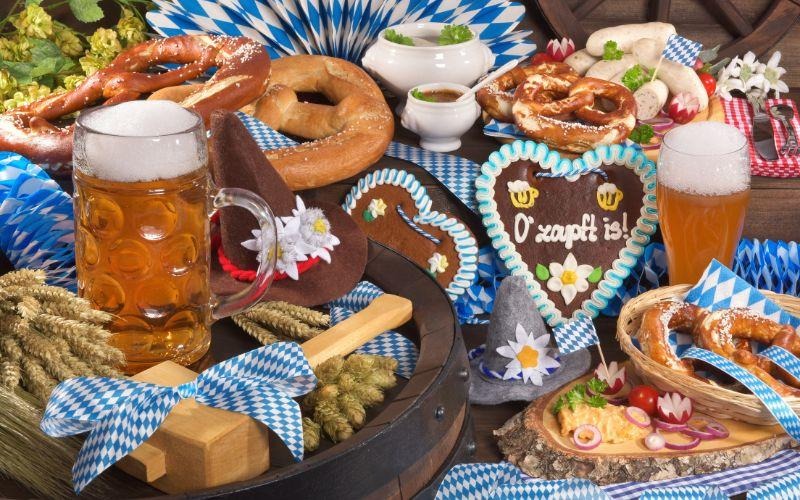
Weißwurst (white sausage) is another Bavarian classic — traditionally eaten before noon with sweet mustard and a soft pretzel. Most people miss this detail and order it at dinner. You can, but locals will quietly notice.
And yes, beer matters here. But don’t treat it like a drinking challenge. In Munich, I once watched a group try to “do Oktoberfest” in two hours. It didn’t end well. Pace yourself. Food and beer are meant to stretch across an afternoon.
Bavarian cuisine is heavy, but comforting. After a hike near Garmisch, it feels exactly right.
Berlin: Street Food and East-West Influence
Berlin doesn’t follow the rules.
The city’s signature bite is Currywurst — sliced sausage with ketchup and curry powder. It sounds simple. It is simple. But after a late night out, it hits perfectly.
You’ll also find strong Turkish influence here. Döner kebab is everywhere, and honestly, some of the best in Europe. Don’t overlook it just because it’s not “traditional German.” Modern Berlin food is layered and multicultural.
This is where trips often go wrong: travelers only eat in trendy Mitte restaurants. Instead, walk into a no-frills Imbiss (snack stand). Stand at the counter. Eat like locals do.
Berlin food is casual, affordable, and unpretentious. It doesn’t try to impress you. That’s the charm.
The Rhineland: Sweet-Savory Surprises
Head west toward Cologne and Düsseldorf, and flavors shift.
In the Rhineland, you’ll find dishes like Sauerbraten — marinated pot roast, often with a slightly sweet-sour gravy. Sometimes raisins appear in the sauce. That surprises people.
The first time I tried it in Cologne, I wasn’t sure about the sweetness. By the third bite, it made sense. It’s balanced, not dessert-like.
Another local favorite is Himmel un Ääd (Heaven and Earth) — mashed potatoes with apples and black pudding. It sounds strange on paper. It works on the plate.
Pair it with Kölsch beer in Cologne. It’s served in small glasses that get replaced automatically when empty. If you don’t want more, put your coaster on top. Most visitors don’t know this and end up drinking far more than planned.
Baden-Württemberg: Refined but Still Rustic
In the southwest, especially around Stuttgart and the Black Forest, food becomes slightly more delicate.
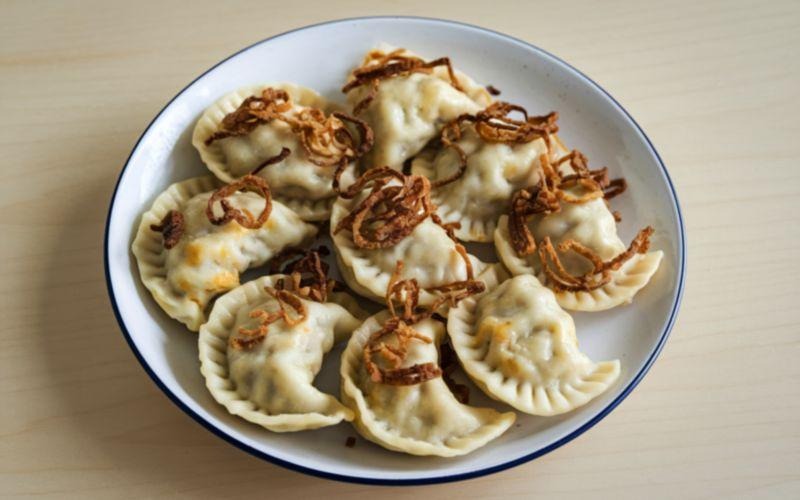
Try Maultaschen, a kind of large stuffed pasta, often filled with meat and spinach. Think German ravioli, but bigger and heavier.
There’s a story behind it — something about monks hiding meat during Lent — but what matters is this: it’s satisfying without being overwhelming.
Spätzle is another staple here. Soft egg noodles, sometimes served with cheese (Käsespätzle). If you’re traveling with family, this is usually a safe crowd-pleaser.
And yes, Black Forest cake (Schwarzwälder Kirschtorte) comes from this region. But avoid the overly commercial café versions near tourist hotspots. Find a smaller Konditorei. You’ll taste the difference.
Saxony and the East: Underappreciated and Honest
Eastern Germany doesn’t always get culinary attention, but it should.
In Dresden and Leipzig, you’ll find dishes like Sauerbraten again, but also potato soups, stews, and quark-based desserts.
Eierschecke, a layered custard-style cake from Saxony, is worth seeking out. It’s not flashy. But with coffee on a quiet afternoon, it feels right.
Food here feels practical. Less polished. More direct.
And portions can be generous — especially in smaller towns. Plan lighter lunches if you’re having a traditional dinner.
Northern Germany: Fish, Simplicity, and Wind
Up north, near Hamburg and the Baltic coast, the cuisine shifts again.
Fish dominates. Try Fischbrötchen — a simple fish sandwich often filled with pickled herring, onions, and sauce. It’s fresh, salty, and perfect near the harbor.
Labskaus is another northern dish — corned beef, potatoes, beetroot, sometimes topped with a fried egg and pickles. It’s pink. It looks odd. But it’s surprisingly good.
Northern food isn’t fancy. It reflects the sea and the climate. Straightforward, no extra decoration.
Eat it by the water if you can. It makes sense there.
Bread and Breakfast: Don’t Skip This
Germany’s bread culture is serious. Hundreds of varieties.
Dark rye breads, seeded rolls, sourdough loaves. Breakfast often includes bread, cheese, cold cuts, boiled eggs, and strong coffee.
This is one area where Germany quietly outperforms expectations. Bakeries (Bäckerei) are everywhere. Stop in one mid-morning. Order something you can’t pronounce. That’s usually the right choice.
Most people rush past bakeries on the way to attractions. Slow down. This is daily life.
A Few Practical Food Tips
- Lunch is often the main hot meal in smaller towns. Dinner can be lighter.
- Many traditional restaurants close between lunch and dinner. Plan accordingly.
- Cash is still common in smaller establishments.
- Tipping is modest — round up or add around 5–10%.
- Regional pride is real. Asking about local specialties usually leads to good recommendations.
Germany isn’t about fine dining theatrics. It’s about regional identity on a plate.
Final Thoughts
Food travel in Germany works best when you move slowly and eat locally.
Don’t chase a checklist of famous dishes. Instead, ask what’s typical here, in this city, in this region. Bavaria will give you pork and dumplings. Berlin will hand you currywurst at midnight. The north will serve you fish by the sea.
That variation is the story.
If you’re planning a trip — whether independently or through Germany family vacation packages — build in space for regional meals. Leave room in your schedule and your appetite.
Because in Germany, understanding the food is understanding the country.
FAQs About Food Travel in Germany
1. Is German food very heavy?
In many regions, yes. Pork, potatoes, bread, and rich sauces are common. But there are lighter options, especially in cities and northern coastal areas.
2. Are vegetarian options available?
Yes, particularly in larger cities. Traditional rural menus can be meat-heavy, but dishes like Käsespätzle or vegetable soups are widely available.
3. Do I need reservations for traditional restaurants?
In popular cities or during festivals, yes. In smaller towns, usually not — but weekends can still fill up.
4. Is tap water safe to drink?
Yes. Tap water in Germany is safe and high quality. Bottled water is common in restaurants, though.
5. What’s the biggest dining mistake travelers make?
Sticking only to tourist-center restaurants. Walk a few streets away and look for places filled with locals.
6. Is it rude not to finish your food?
Not rude, but portions can be large. It’s fine to leave a little if you’re full.
7. Can I find regional dishes everywhere in Germany?
Not really. Regional food is strongest in its home area. Try local specialties while you’re there — they won’t taste the same elsewhere.