If you’re browsing Lebanon family vacation packages and mostly noticing beaches, Roman ruins, and mountain villages, pause for a second. The real reason to come here — or at least half the reason — is the food.
Lebanon is small. You can drive from the Mediterranean coast to mountain cedar forests in under two hours. But within that short distance, flavors shift, ingredients change, and recipes feel intensely local. Food tourism in Lebanon isn’t about chasing one famous dish. It’s about understanding how meals unfold, how tables fill up, and how no one ever orders “just one thing.”
I’ve eaten in Beirut’s buzzing neighborhoods, roadside grills in the Chouf Mountains, and seaside restaurants in Byblos where the fish came straight from the harbor. Here’s what you should focus on — and what many travelers miss.
Mezze: The Table Comes First
In Lebanon, meals don’t start with a main course. They start with mezze.
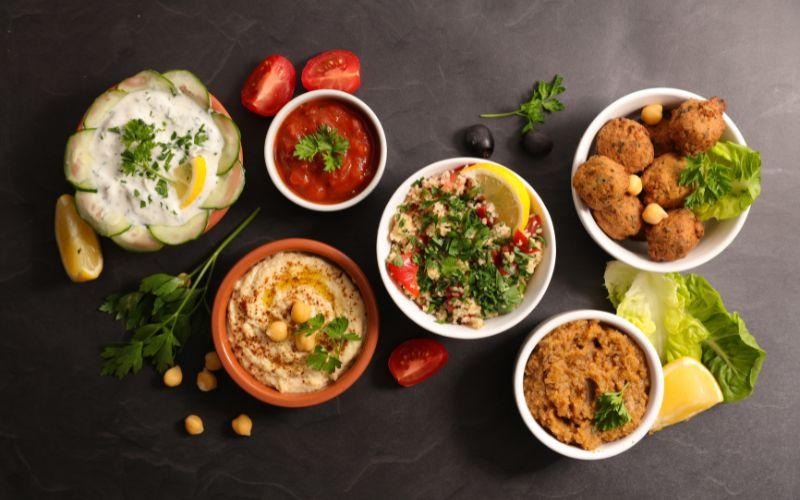
Small plates arrive one after another — hummus, moutabal (smoky eggplant dip), labneh, fattoush salad, tabbouleh, stuffed grape leaves, spicy potatoes. The table fills quickly.
Most people make the mistake of eating too much too fast. Pace yourself. Mezze isn’t the appetizer. It’s half the meal.
I remember sitting at a restaurant in Gemmayzeh, Beirut. We ordered “a few” mezze plates. Twenty minutes later, the table was covered. Fresh bread kept coming. You tear, scoop, pass, repeat. That’s the rhythm.
If you’re traveling with family, mezze works perfectly. Everyone shares. No one feels stuck with one dish.
Tabbouleh: It’s Not Just a Salad
Outside Lebanon, tabbouleh is often heavy on bulgur. Here, it’s mostly parsley. Finely chopped. Bright with lemon and olive oil. Light but sharp.
This is where trips often go wrong: people think they’ve already “had” tabbouleh back home. You haven’t. Not like this.
Order it early in your trip. It sets the tone. Lebanese food is about freshness. Herbs matter.
Kibbeh: More Than One Version
Kibbeh is often called Lebanon’s national dish. But it’s not just one thing.
There’s fried kibbeh — torpedo-shaped croquettes filled with spiced meat and pine nuts. There’s baked kibbeh in trays. And then there’s kibbeh nayeh — raw minced meat mixed with bulgur and spices, served with olive oil and onions.
If you’re hesitant about raw meat, skip kibbeh nayeh. But if you’re in a reputable restaurant and feeling adventurous, try a small portion. It’s surprisingly delicate.
In the mountains near Bsharri, I once had baked kibbeh cooked in a wood-fired oven. Crisp edges. Soft center. Served with yogurt. Simple. Memorable.
Manakish: The Everyday Essential
For breakfast or a quick lunch, look for manakish — flatbread baked with toppings like za’atar, cheese, or minced meat.
Za’atar (a mix of thyme, sesame, and sumac) is the classic. It’s earthy and slightly tangy.
Don’t overthink this. Walk into a local bakery in the morning. Order one fresh from the oven. Eat it folded in paper as you stand outside.
Most tourists skip local bakeries and head for hotel buffets. That’s a mistake. Manakish is daily life.
Grilled Meats and Seaside Fish
Yes, there are kebabs and shawarma. They’re good. But Lebanon’s strength is balance — grilled meats served with salads, pickles, garlic sauce, and bread.
If you’re near the coast — in places like Tyre or Byblos — order fresh fish. Often it’s simply grilled with lemon and olive oil.
I had lunch once in Byblos where the waiter brought the fish to the table before cooking it. “From this morning,” he said. No complicated sauce. Just heat, salt, lemon. That’s enough.
This is where Lebanon shines: quality ingredients, minimal interference.
Fattoush and the Art of Crunch
Fattoush is another salad worth understanding.
It’s not just vegetables tossed together. It includes toasted or fried pieces of pita bread for crunch, plus sumac for a slightly sour kick.
It sounds simple. But when done well, it’s refreshing and textured.
On hot summer afternoons in Beirut, fattoush and grilled halloumi can be the perfect light meal. You don’t always need a heavy feast.
Sweets and Coffee Rituals
Lebanese desserts lean sweet. Baklava layered with nuts and syrup. Knefeh — warm cheese pastry soaked in syrup — especially popular for breakfast in some areas.
Knefeh in Tripoli is famous. Slightly crisp on top, gooey underneath. Best shared.
And then there’s coffee. Strong Arabic coffee served in small cups, often after meals. It’s part of hospitality. Don’t rush out immediately after finishing your plate. Sit. Sip. Talk.
Arak and Evenings Done Right
If you drink alcohol, try arak — a clear anise-flavored spirit mixed with water and ice. It turns milky white when diluted.
It’s strong. Sip it slowly, usually alongside mezze and grilled dishes.
Evenings in Lebanon stretch. Meals start late. Conversations last.
If you’re planning through Lebanon family vacation packages, especially with older kids or multi-generational groups, these long dinners can become highlights. Just manage expectations if you have very young children — late nights are common.
Regional Shifts in a Small Country
One of the best parts of food tourism in Lebanon is how quickly things change.
In the mountains, you’ll find more rustic, hearty dishes. In Beirut, modern restaurants reinterpret classics. In the south, olive oil and citrus feel more pronounced.
Don’t eat the same meal everywhere. Ask what’s local here.
Practical Notes Before You Go
A few honest observations:
- Portions are generous. Order gradually.
- Service can be relaxed. Don’t rush it.
- Vegetarian options are excellent.
- Tipping is appreciated but not excessive — around 10% is typical.
- Political or economic conversations may come up. Be respectful and listen more than you speak.
Most importantly, don’t reduce Lebanese food to hummus and shawarma. That’s like visiting Italy and only eating pizza.
Final Thoughts
Food tourism in Lebanon isn’t about ticking off famous dishes. It’s about the table. The sharing. The pacing.
Start with mezze and don’t rush it. Try kibbeh in at least one form. Eat manakish from a neighborhood bakery. Have fish by the sea. Finish with coffee, not a hurry.
Lebanon rewards travelers who slow down and eat with intention.
If you’re planning your trip — independently or through Lebanon family vacation packages — build your days around meals, not the other way around. Leave room for long lunches and spontaneous bakery stops.
Because here, food isn’t an attraction. It’s the center of the experience.
FAQs About Food Tourism in Lebanon
1. Is Lebanese food very spicy?
Not usually. It’s flavorful and herb-heavy, but heat levels are generally mild. Chili sauces are often optional.
2. Is Lebanon good for vegetarians?
Yes. Mezze culture makes it easy to eat well without meat. Dishes like hummus, tabbouleh, fattoush, and labneh are widely available.
3. Is it safe to eat street food in Lebanon?
In busy, reputable areas, yes. Choose places with high turnover and visible preparation.
4. What’s the most traditional dish to try?
Kibbeh in one of its forms is considered a national favorite and worth trying at least once.
5. Are meals expensive in Lebanon?
Prices vary widely. Beirut can be pricey in upscale restaurants, but local bakeries and casual spots are affordable.
6. Is alcohol available?
Yes. Lebanon produces wine and arak, and alcohol is widely served in restaurants and bars.
7. What’s the biggest mistake food travelers make?
Overordering mezze at the start and having no space left for grilled dishes or desserts. Pace yourself.