Food in Ethiopia isn’t something you order and wait for. It arrives as a shared experience. One platter. No cutlery. Everyone leaning in. Conversation slows. Eating becomes the activity, not the break between plans.
If you’re expecting variety through long menus, this is where trips often go wrong. Ethiopian food repeats itself on purpose. The differences are in spice balance, fermentation, freshness, and restraint. Once you understand that, meals stop feeling mysterious and start feeling grounding.
This guide is based on eating in local restaurants, family-run spots, and places where no one explains the menu unless you ask. Whether you’re moving independently or following a route shaped by Ethiopia historical and cultural tour packages, this is what actually ends up on the table—and what’s worth paying attention to.
Injera Is the Foundation (And It Takes Time)
Everything starts with injera.
That large, spongy flatbread isn’t a side. It’s the plate, the utensil, and half the flavor of the meal. Made from fermented teff, injera is sour, soft, and absorbent. If you don’t like it at first, give it another meal. Most people do.
A small warning: poorly made injera ruins everything. Too sour, too dry, or store-bought versions can be disappointing. Good injera smells slightly tangy and tears easily without falling apart.
If the injera is good, you’re probably in the right place.
Wot: The Heart of Ethiopian Cooking
Most Ethiopian meals revolve around wot—thick, slow-cooked stews served directly on injera.
Doro wot is the most famous. Chicken, hard-boiled eggs, and a deep red sauce built on berbere spice. It’s rich and intense, often reserved for special occasions, but many restaurants serve it daily.
Misir wot (red lentils) and shiro (ground chickpeas or beans) are staples you’ll see everywhere. Don’t treat them as “vegetarian alternatives.” They’re core dishes, and often the most comforting ones.
Eat with your right hand. Tear injera. Scoop. Don’t rush. That rhythm matters.
Vegetarian Food Is Not an Afterthought
Ethiopia is one of the easiest places in Africa to eat vegetarian without planning ahead.
Because of long fasting traditions, many meals are naturally plant-based. Lentils, chickpeas, split peas, greens, cabbage, potatoes. Spiced, slow-cooked, and filling.
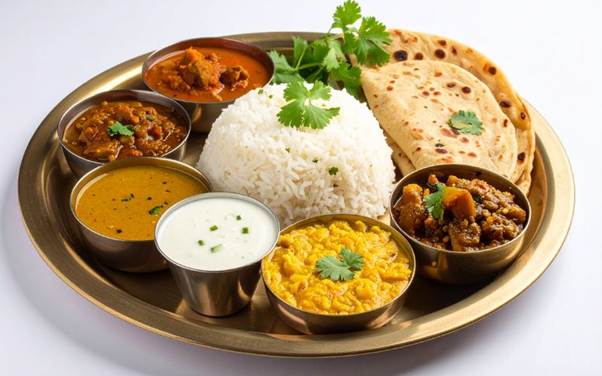
A vegetarian platter—often called a beyaynetu—is a great way to try multiple dishes at once. This is where many travelers first understand Ethiopian food.
Most people miss this by chasing meat-heavy meals. Don’t.
Spice: Bold but Balanced
Ethiopian food is known for spice, but it’s not about heat for the sake of heat.
Berbere is complex—chilies, garlic, ginger, fenugreek, and more. It’s warm, smoky, and layered. Some dishes are fiery. Others are gentle.
If spice worries you, ask. “Is it very spicy?” usually gets an honest answer. Shiro can be mild or strong depending on the kitchen.
What matters more than heat is depth. Good Ethiopian food lingers.
Raw Meat Is a Thing (You Don’t Have to Try It)
Kitfo (minced raw beef, seasoned with spiced butter) and gored gored (cubed raw beef) are traditional dishes, often eaten during celebrations.
You don’t have to try them. No one will be offended if you don’t. But if you’re curious, choose a reputable restaurant and eat it fresh.
This is not street food. This is where caution matters.
If the idea makes you uncomfortable, skip it and order tibs instead.
Tibs: The Gateway Dish
If you want something familiar, order tibs.
Sautéed meat—usually beef or lamb—with onions, peppers, and spices. Served sizzling in some places. Less sauce. More texture.
It’s often what locals order when eating out casually. It’s also what many travelers fall back on when they’re not sure what else to choose.
Nothing wrong with that. Just don’t make it the only thing you eat.
Coffee Is a Ceremony, Not a Drink
Ethiopia takes coffee seriously. Not in a trendy way. In a cultural way.
The traditional coffee ceremony is slow and intentional. Beans roasted in front of you. Ground. Brewed. Served in small cups. Often three rounds.
You don’t need to sit through a full ceremony every time, but do drink coffee. It’s excellent. Floral. Strong without being harsh.
Most people rush this. Don’t. This is one of the most human moments you’ll have in the country.
Honey Wine and Local Drinks
Tej—honey wine—is sweet, cloudy, and stronger than it tastes. Served in round glass flasks. Easy to overdo.
Tella, a local beer, is mild and rustic. Not always for everyone, but worth trying once.
Bottled beer is widely available and safe. Water should be bottled.
Where to Eat (And Where to Be Careful)
Local restaurants with injera platters displayed openly are usually reliable. Busy places are good signs.
If a restaurant serves Ethiopian food but doesn’t smell like spices, that’s a red flag.
Street food exists but is limited. This is not a street-snacking culture in the same way as parts of Asia.
Wash your hands before eating. Most places provide water or sanitizer. Use it.
Timing and Sharing Matter
Meals are meant to be shared. Even if you’re eating alone, food often arrives as if you’re not.
Lunch is popular. Dinner is social and unhurried. Don’t expect fast service.
If your itinerary includes Ethiopia historical and cultural tour packages, meals may be scheduled. When you get free evenings, use them to eat locally. That’s where food feels most alive.
Final Thoughts
Ethiopian food isn’t about choice overload. It’s about trust—trust in the kitchen, the ingredients, and the rhythm of the meal.
Eat with your hands. Share when possible. Repeat dishes. Pay attention to small differences. That’s how appreciation builds.
Whether you’re exploring independently or following a route built around Ethiopia historical and cultural tour packages, food here isn’t just nourishment. It’s context. It tells you how people gather, wait, and connect.
Let it slow you down. That’s when it works.
FAQs
1. Is Ethiopian food always spicy?
No. Some dishes are hot, others mild. You can ask before ordering.
2. Is it safe to eat with your hands?
Yes. It’s expected. Just wash your hands first.
3. Can vegetarians eat well in Ethiopia?
Absolutely. Vegetarian dishes are a major part of the cuisine.
4. Do I need to worry about food hygiene?
Stick to busy restaurants and freshly prepared food. Use bottled water.
5. Is raw meat safe to eat?
Only in reputable restaurants. Skip it if you’re unsure.
6. What’s the biggest food mistake travelers make?
Judging Ethiopian food after one meal or avoiding injera.
7. Should I tip in restaurants?
A small tip is appreciated but not always expected. Rounding up is common.