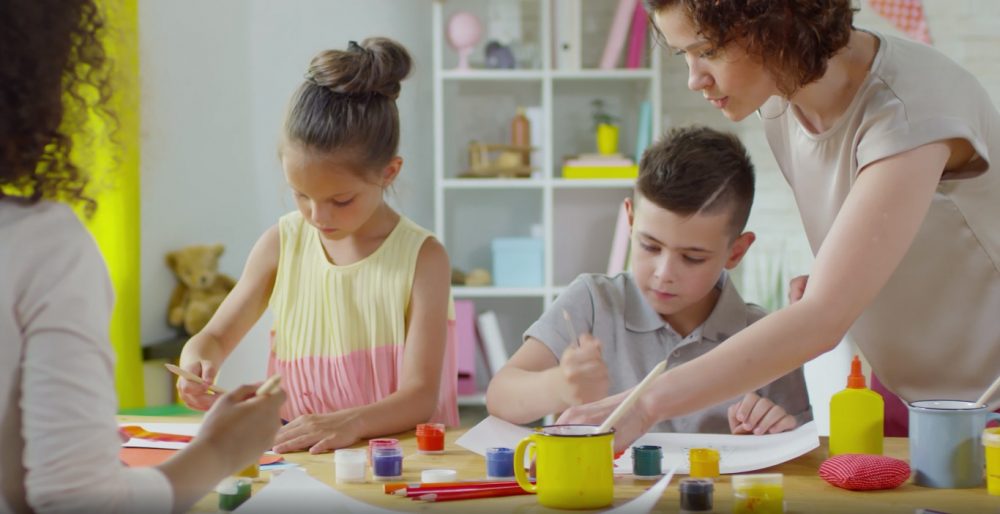
Finding the right environment for a young child is one of the most significant decisions a family can make. It is not simply about securing supervision during working hours; it is about choosing a place where a child’s emotional, social, and cognitive foundations begin to form. For many parents, the search for reliable care starts with safety, but it quickly becomes a deeper reflection on values, trust, and long-term development.
Families exploring Daycare near me are often navigating this process for the first time. The responsibility can feel overwhelming, yet the right environment has a powerful and lasting impact. When children feel secure and supported early on, their confidence and readiness for future learning grow naturally.
The Shift Toward Holistic Early Development
In recent years, early childhood education has undergone a meaningful shift. Educators once viewed early care primarily as preparation for “real” school later on. Today, research confirms that the first five years of life are the most critical for brain development, emotional regulation, and social awareness.
Modern programs now focus on the whole child. Physical well-being, emotional safety, and mental stimulation are treated as interconnected elements rather than separate goals. Parents comparing options such as Childcare near me often notice this holistic approach immediately. These environments are intentionally designed to respect each child’s pace while encouraging independence and curiosity.
When families look for Daycare near me, they increasingly seek settings that go beyond routine care and offer thoughtful, developmentally informed support.
The Power of Play in Early Learning
One of the most effective tools for early development is play. Rather than relying on rigid instruction, many high-quality programs embrace play-based preschool programs that align with how young children naturally explore the world.
Through guided play, children build problem-solving skills, creativity, and emotional awareness. A simple block structure can introduce early math and physics concepts, while cooperative games teach communication and empathy. In these moments, learning feels natural rather than forced.
This philosophy is often reflected in high-quality early education programs. Parents researching play-based preschool programs frequently value the balance between structure and freedom, where children are encouraged to explore while being gently guided by attentive educators.
Social Intelligence and Emotional Security
Social development is a major reason families choose structured early care. Interacting with peers helps children learn cooperation, patience, and conflict resolution. These skills cannot be taught through instruction alone; they develop through real experiences in shared environments.
Equally important is the relationship between the child and their caregiver. Consistency builds trust. When children feel emotionally secure, they are more willing to explore, ask questions, and try new things. This sense of safety is essential for healthy brain development.
Both center-based programs and home-based settings can offer this stability when caregiver-child relationships are prioritized. Smaller group sizes and familiar faces often help children feel grounded and confident.
Different Care Models, Shared Values
Families often compare multiple childcare options before deciding what feels right. Some are drawn to larger educational centers, while others prefer the personalized feel of a home-based option. Each model has its own rhythm, advantages, and structure.
What matters most is not the setting itself, but the philosophy behind it. Does the environment respect individual development? Are routines flexible enough to respond to a newborn’s changing needs? Is calm treated as an essential value rather than a byproduct?
When parents evaluate childcare near me, asking these deeper questions often leads to better long-term satisfaction.
Preparing for Future Learning
Although early care emphasizes emotional and social growth, the academic benefits are clear. Children who attend high-quality programs often enter kindergarten with stronger communication skills, early literacy awareness, and familiarity with group routines.
Importantly, the goal is not to rush childhood. The best programs strike a balance between preparation and play. By fostering curiosity rather than pressure, children develop a genuine love for learning. This intrinsic motivation supports long-term academic success far more effectively than early drilling.
Families considering play-based preschool programs often appreciate this philosophy, where learning is viewed as an ongoing journey rather than a checklist of milestones.
Choosing with Intention
Decisions around childcare are rarely easy. Limited availability, work schedules, and conflicting advice can create pressure. However, stepping back to evaluate how a space feels—its emotional tone, caregiver interactions, and daily rhythm—can provide clarity.
Whether selecting a larger program or a home-based option, intention matters. Calm environments are built through hundreds of small, respectful interactions that accumulate over time. Parents searching for Daycare near me often find that observing caregiver behavior and daily routines gives the clearest picture of quality.
Conclusion
Choosing early childcare is more than a logistical decision; it is an investment in a child’s emotional foundation and sense of self. Environments that prioritize safety, curiosity, and connection help children feel secure as they begin exploring the world.
For families searching for Daycare near me, or evaluating options like play-based preschool programs, the most important factor is not prestige or size, but care quality and emotional consistency. When parents take the time to choose thoughtfully, they create a strong starting point—one that supports confidence, resilience, and a lifelong love of learning.