Skin changes caused by severe acne often stay longer than expected. Deep scars affect texture, confidence, and daily appearance in ways that makeup or home remedies rarely fix. Many people spend years trying temporary solutions before realizing that scar treatment requires a more advanced clinical approach. A skilled Dermatologist in La Quinta, California, usually studies scar depth, skin response, and collagen damage before suggesting any procedure. Different scars demand different treatments, and that is where personalized care becomes important. Once the skin begins rebuilding beneath the surface, visible improvement often follows gradually, creating results that continue changing over time.
Understanding Different Types of Deep Acne Scars
Deep acne scars do not all appear the same. Some create narrow holes in the skin, while others leave broad depressions with uneven edges. Certain scars pull the skin downward because damaged collagen forms beneath the surface. A trained specialist first identifies scar categories before beginning treatment because each texture reacts differently to lasers, microneedling, or resurfacing procedures.
Skin tone also affects treatment selection. Sensitive skin may react differently to aggressive therapies, especially when inflammation remains active. Modern dermatology often combines multiple procedures to improve both texture and pigment irregularities over several months. This layered strategy usually produces more balanced outcomes than relying on one single treatment method.
Advanced Laser Resurfacing Techniques
Laser technology remains one of the most effective options for deep acne scars. Controlled heat reaches beneath the skin surface and stimulates collagen remodeling. Over time, fresh collagen fills depressed areas and smooths rough texture. Fractional lasers target damaged tissue while leaving nearby skin untouched, which helps speed recovery.
Some treatments create visible peeling for several days, while others work with minimal downtime. Recovery depends on scar severity and skin sensitivity. Specialists often schedule sessions weeks apart so the skin can heal gradually. During this stage, patients usually notice firmer texture and softer scar edges appearing progressively rather than instantly.
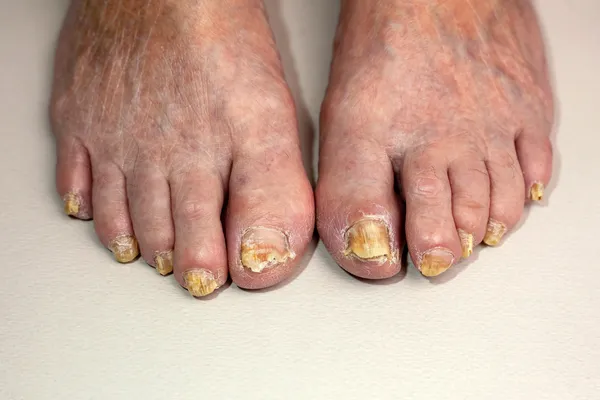
In certain clinics, cosmetology consultations may also include discussions about concerns such as Nail Fungus Treatment And Relief because overall skin and nail health often influence confidence and appearance together.
Microneedling and Collagen Induction Therapy
Microneedling has become increasingly popular for treating depressed acne scars naturally. Tiny needles create controlled micro-injuries beneath the skin surface. This process triggers collagen and elastin production, which strengthens damaged tissue over time. Unlike older resurfacing techniques, microneedling often works well for multiple skin tones with lower risk of discoloration.
Radiofrequency-assisted microneedling adds thermal energy beneath the skin for deeper collagen stimulation. This combination frequently improves rolling scars and uneven texture more effectively than traditional methods alone. Most people require several sessions because collagen rebuilding occurs gradually over weeks and months.
Aftercare also matters significantly. Proper hydration, sun protection, and gentle skincare support the healing cycle. When combined with healthy skin maintenance, collagen induction treatments often continue showing improvement long after the sessions end.
Chemical Peels and Skin Renewal Methods
Chemical peels remove damaged outer layers and encourage fresh skin regeneration. Light peels brighten mild discoloration, while medium or deep peels address textured acne scars more aggressively. Acids penetrate the skin at controlled levels to stimulate new cell turnover and smoother surface renewal.
Dermatologist in La Quinta, California, frequently adjusts peel strength depending on scar depth and skin resilience. Some peels target pigmentation left behind by acne, while others focus mainly on collagen stimulation. Patients commonly experience temporary redness or peeling as the skin renews itself naturally.
Modern scar management may sometimes overlap with broader therapeutic technologies seen in other specialties. In certain clinics, people searching for SRT Therapy Near Me may also encounter advanced dermatological technologies designed for precision-based skin treatments and controlled tissue repair.
Dermal Fillers for Depressed Scars
Some acne scars create hollow areas because the underlying tissue loses volume. Dermal fillers temporarily raise these depressed sections closer to the skin surface. Results appear quickly and often improve facial smoothness almost immediately after treatment.
Fillers work especially well for rolling scars with soft edges. Hyaluronic acid-based products frequently provide subtle correction while maintaining natural facial movement. Certain collagen-stimulating fillers also encourage long-term tissue regeneration beneath the skin.
Although fillers are not permanent, they often complement laser resurfacing or microneedling procedures effectively. Many dermatologists combine treatments strategically so the skin improves through several mechanisms simultaneously rather than relying on only one correction method.
Subcision and Surgical Scar Correction
Some deep scars remain attached to fibrous bands underneath the skin. Subcision targets these bands directly. During the procedure, a small instrument breaks the tethered tissue beneath the scar. Once released, the skin’s surface lifts naturally and appears smoother over time.
For severe ice-pick scars, minor surgical excision may remove damaged tissue completely. Tiny stitches close the area, allowing healthier skin formation during healing. Though these methods sound intensive, they often help stubborn scars that fail to respond to surface-level treatments alone.
Combination therapy usually delivers stronger outcomes. A dermatologist may perform subcision first and later continue with lasers or collagen therapies. This staged process often creates gradual but noticeable skin refinement over several months.
Long-Term Skin Maintenance After Scar Treatment
Deep acne scar treatment does not end after one appointment. Maintenance plays a major role in preserving results and preventing future breakouts. Consistent skincare routines help protect collagen while reducing irritation that could trigger new acne activity.
Sun exposure remains one of the biggest threats during recovery. Ultraviolet damage slows healing and increases pigmentation risks after resurfacing procedures. Gentle cleansers, non-comedogenic moisturizers, and dermatologist-approved products usually support healthier recovery patterns.
Patients who stay consistent with aftercare often experience longer-lasting improvements. Healthy lifestyle habits and regular follow-up visits may also help maintain smoother texture and stronger skin resilience over time.
Conclusion
Deep acne scars often improve when treatment focuses on both skin texture and collagen rebuilding rather than surface appearance alone. Modern procedures continue evolving, giving patients more precise and personalized options for smoother skin. Choosing a qualified Dermatologist in La Quinta, California, may help you understand which combination of treatments fits your scar type, skin condition, and long-term goals. As collagen develops and damaged tissue repairs itself gradually, noticeable refinement usually appears in stages, making the transformation feel natural instead of sudden.