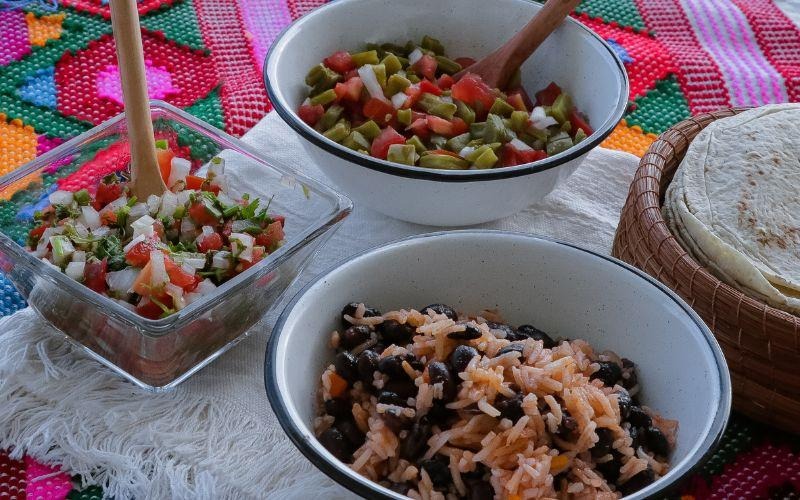
Most people don’t come to Costa Rica for the food. They come for rainforests, beaches, wildlife, and movement. Surf in the morning. Zip-line in the afternoon. Long drives in between. Food ends up filling the gaps.
That’s a mistake.
Costa Rican food is quiet, practical, and deeply tied to daily life. It’s not flashy. It doesn’t beg for attention. But if you eat the right things, in the right places, it starts to make sense. And once it clicks, you’ll miss it when you leave.
This guide isn’t about trendy restaurants or fusion menus. It’s about what locals actually eat, what travelers usually misunderstand, and how to eat well without turning meals into a project—whether you’re moving independently or rolling through the country on Costa Rica adventure travel packages.
Start With Casado (Then Eat It Again)
Casado is the backbone of Costa Rican food. Rice. Beans. Protein. Salad. Maybe plantains. Sometimes a tortilla.
Sounds basic. It is. That’s the point.
A good casado is balanced and filling without knocking you out for the afternoon. You’ll find it everywhere—from roadside sodas (small local diners) to simple lunch spots in cities. Chicken, beef, fish, or pork. Pick one and move on.
This is where trips often go wrong: people eat casado once, at a touristy place, decide it’s boring, and never order it again. That’s like judging pizza after one bad slice.
Eat casado at lunch. That’s when it shines.
Gallo Pinto Is Not Optional
If you’re skipping breakfast or just grabbing coffee, you’re missing something.
Gallo pinto—rice and beans cooked together with onion, pepper, and Lizano sauce—is the national breakfast for a reason. It’s comforting, savory, and surprisingly energizing.
Most plates come with eggs, plantains, maybe sour cream or cheese. It’s heavy on paper. In real life, it works.
I’ve eaten gallo pinto at 6 a.m. before a long drive and again at 10 a.m. because someone else ordered it. No regrets.
Order it at least a few times. Different kitchens do it differently.
Soda Culture: Where You Should Actually Eat
If you remember one thing, make it this: eat at sodas.
Sodas are small, family-run restaurants serving daily food. No branding. No mood lighting. Sometimes no menu beyond a chalkboard.
This is where Costa Rican food makes sense. Portions are generous. Prices are fair. And the cooking reflects real habits, not tourist expectations.
A small warning: if the place is empty at noon, walk away. Busy sodas are busy for a reason.
Plantains Deserve More Respect
You’ll see plantains everywhere. Fried. Mashed. Baked. Sweet. Savory.
Patacones—fried green plantains smashed and refried—are the classic. Crispy outside, soft inside. Often served with beans, guacamole, or ceviche.
Maduros—ripe sweet plantains—are softer, caramelized, and usually paired with savory dishes. Don’t skip them just because they look like dessert.
Most people treat plantains as a side. Locals don’t. They’re part of the meal.
Ceviche: Eat It Early
Costa Rican ceviche is simple and clean. Fresh fish, lime juice, onion, cilantro. Not spicy. Not complicated.
You’ll see it everywhere, especially near the coast. Eat it at lunch, not late at night. This is where common sense matters more than bravado.
Served with crackers or chips, ceviche is light, refreshing, and ideal on hot days. It’s also one of the few dishes where timing and freshness really matter.
If the fish tastes dull, don’t finish it. No hero points here.
Caribbean Costa Rica Feels Different (Because It Is)
Head to the Caribbean side and the food shifts noticeably.
Rice and beans cooked in coconut milk. Spices with depth. Slower, richer flavors. Dishes like rondón (seafood stew) and jerk-style chicken feel closer to the Caribbean than Central America.
This is one of the most overlooked food regions in the country. Most people rush through or skip it entirely.
If you go, eat locally. This is not the place for international menus.
Coffee Is Excellent, But Not a Café Culture
Costa Rican coffee is famous for good reason. It’s clean, bright, and easy to drink.
What it’s not is a café culture destination. Coffee is functional. You drink it in the morning. Maybe again in the afternoon. Usually black. Usually quick.
Don’t expect third-wave espresso bars everywhere. When you find one, great. But don’t chase them.
Drink local coffee. Skip imported blends. That’s the whole point.
Fresh Fruit Is the Real Luxury
This part surprises people.
Mangoes. Pineapple. Papaya. Watermelon. Bananas. All cheap. All ripe. All better than what you’re used to.
Fruit shows up at breakfast, as juice, as snacks, sometimes alongside meals. Order fruit juices (naturales) with water or milk. Both work.
If you’re craving something light after days of heavy travel food, this is the reset button.
Portions, Timing, and Expectations
Lunch is the main meal. Dinner is lighter and earlier than in some regions, but later than North America.
Kitchens close early in smaller towns. Plan accordingly. This is where trips often go wrong—long drives, late arrivals, and nowhere to eat.
Carry snacks. Especially if you’re moving between destinations on Costa Rica adventure travel packages where stops are scheduled but hunger isn’t.
Final Thoughts
Costa Rican food isn’t trying to impress you. It’s trying to feed you well so you can keep moving.
Eat where locals eat. Order what’s on the board. Don’t chase variety for its own sake. Repeat meals. That’s how you notice the differences.
If you approach food here with curiosity instead of expectation, it quietly becomes one of the most grounding parts of the trip—whether you’re traveling independently or fitting meals into a packed itinerary built around Costa Rica adventure travel packages.
FAQs
1. Is Costa Rican food spicy?
Not really. Most dishes are mild. Heat comes from sauces you add yourself.
2. Is it safe to eat at small local sodas?
Yes, if they’re busy and food is freshly made. Use the same judgment you would anywhere else.
3. Are vegetarian options available?
Yes, especially with rice, beans, eggs, plantains, and vegetables. Vegan options require more planning outside cities.
4. How expensive is eating out?
Local food is affordable. Tourist restaurants cost more but don’t always offer better quality.
5. Can I drink tap water?
In most areas, yes. In remote regions, bottled water is safer.
6. What’s the biggest food mistake travelers make?
Skipping local spots in favor of international menus. You don’t come here for burgers.
7. Is tipping expected?
A service charge is usually included. Extra tipping isn’t required but rounding up is appreciated.