Most travelers come to Rwanda for gorilla trekking and book Rwanda wildlife safari packages months in advance. That makes sense. The wildlife here is extraordinary. But between tracking mountain gorillas and exploring national parks, there’s another experience that deserves real attention: coffee and tea tourism.
Rwanda isn’t just a safari destination. It’s one of Africa’s most respected coffee producers and a serious tea country. The landscapes that support gorillas — high altitude, misty hills, rich volcanic soil — also produce exceptional beans and leaves.
If you plan it right, visiting coffee washing stations and tea estates can become one of the most grounding parts of your trip.
Rwanda’s Coffee: Small Country, Big Reputation
Rwandan coffee is known for bright acidity, floral notes, and clean finishes. You’ll often hear words like citrus, red berries, or tea-like body.
But tasting notes only tell part of the story.
The real experience starts at a coffee washing station. These are often located in rural areas near Lake Kivu or in the hills outside Kigali. You’ll see freshly harvested cherries being sorted, pulped, fermented, washed, and laid out to dry on raised beds.
The first time I visited a washing station near Gisenyi, the scent of fermenting coffee filled the air. Workers were spreading beans under the sun, turning them carefully by hand. It wasn’t staged for tourists. It was daily work.
Most people miss this because they assume coffee tourism is just sitting in a café. In Rwanda, it’s about the production process. That’s where the connection happens.
Lake Kivu: Coffee with a View
If you’re already heading to Lake Kivu between safaris, build in time for a coffee stop.
The hills surrounding the lake are ideal for growing high-quality Arabica beans. Many smallholder farmers bring their harvest to cooperative washing stations nearby.
I once sat on a terrace overlooking the lake with a cup of locally roasted coffee. It tasted different because I had seen the journey — from cherry to drying table to roasting.
This is where trips often go wrong: travelers rush from park to park. They skip the in-between moments. Rwanda rewards slower pacing.
Kigali’s Specialty Coffee Scene
Kigali isn’t just a transit city. It has a growing specialty coffee culture.
Cafés here take pride in serving single-origin Rwandan beans. Baristas talk about processing methods — washed, natural, honey. Some roast on-site.
One morning in Kigali, I ordered a pour-over made from beans grown less than two hours away. Bright, balanced, almost delicate. It rivaled specialty coffee I’ve had in major European cities.
Don’t assume African coffee is all strong and bitter. Rwanda’s best cups are nuanced.
If you only drink coffee at your hotel buffet, you’re missing the point.
Tea Plantations: The Other Half of the Story
Coffee often gets more attention internationally. But Rwanda’s tea plantations are just as impressive.
Drive through the hills near Nyungwe Forest, and you’ll see rolling green carpets of tea stretching across valleys. Perfectly trimmed rows. Mist rising in the morning.
Visiting a tea estate gives you a different rhythm than coffee washing stations. Tea processing is precise — withering, rolling, oxidizing, drying. Factories often offer guided tours.
I walked through a tea factory near Gisakura and watched workers move swiftly between machines. The scent was grassy and fresh.
Then came the tasting. Strong black tea, often served with milk and sugar. Simple. Honest.
Most people drive past these plantations on the way to chimpanzee trekking in Nyungwe and never stop. That’s a mistake.
The Human Side of Coffee & Tea
What makes coffee and tea tourism in Rwanda powerful isn’t just flavor. It’s people.
Many cooperatives were established as part of community rebuilding efforts. Coffee and tea production provide steady income for rural families.
When you visit responsibly — through organized tours or directly with cooperatives — your presence supports local economies.
I’ve had farmers explain how quality improvements changed their earnings. It wasn’t a sales pitch. It was practical. Direct.
This isn’t about turning a farm visit into an emotional moment. It’s about understanding how agriculture shapes daily life here.
When to Visit and What to Expect
Coffee harvest season in Rwanda typically runs from around March to July. That’s when washing stations are most active. Visiting during this time gives you the full sensory experience.
Tea plantations, on the other hand, operate year-round, though the scenery feels especially dramatic during the rainy season when the hills are intensely green.
Tours are usually informal. Don’t expect polished visitor centers everywhere. Wear comfortable shoes. Be prepared for mud during rainy months.
And ask questions. Rwandans involved in coffee and tea production are often proud of their work.
Pairing Coffee & Tea with Safari Itineraries
If you’re planning Rwanda wildlife safari packages, consider placing coffee and tea visits strategically between national parks.
For example:
- After gorilla trekking in Volcanoes National Park, spend a relaxed day in Kigali exploring local cafés.
- Between Nyungwe Forest and Lake Kivu, stop at a tea estate.
- Build in a half-day visit to a coffee washing station instead of adding another long road transfer.
Balance matters. Safari days can be intense — early mornings, hiking, emotional wildlife encounters. Coffee and tea experiences slow the pace.
Practical Tips for Coffee & Tea Tourism in Rwanda
- Book farm or washing station visits in advance when possible.
- Bring small cash if you plan to buy beans or tea directly.
- Respect photography guidelines, especially around workers.
- Ask about shipping options if you fall in love with a particular roast.
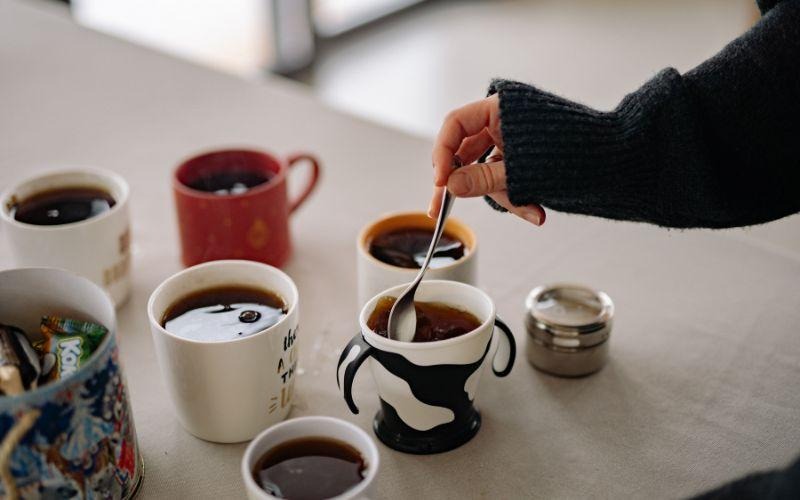
- Taste without rushing. Comparing processing methods side by side can be surprisingly revealing.
And one more thing: altitude affects how coffee tastes. Drink plenty of water.
Final Thoughts
Coffee and tea tourism in Rwanda isn’t a side activity. It’s a way to understand the country beyond wildlife headlines.
Yes, come for the gorillas. Explore the national parks. But also stand on a hillside overlooking tea fields. Watch coffee beans dry in the sun. Sit in a Kigali café and taste something grown just hours away.
Slow down between safaris. Add texture to your itinerary.
If you approach Rwanda this way — combining wildlife, landscapes, and agricultural experiences — your trip becomes richer and more connected.
Because here, the land that supports gorillas also produces some of Africa’s most refined coffee and tea.
And that’s worth tasting properly.
FAQs About Coffee & Tea Tourism in Rwanda
1. Is Rwandan coffee high quality?
Yes. Rwanda is known for specialty-grade Arabica coffee with bright acidity and clean flavors.
2. Can tourists visit coffee washing stations?
Yes, many cooperatives welcome visitors. It’s best to arrange visits through local guides or tour operators.
3. Are tea plantation tours available year-round?
Generally yes, though scenery varies by season. Rainy months make the hills especially lush.
4. Is it safe to buy coffee and tea locally?
Yes. Purchasing directly from cooperatives or reputable shops is common and safe.
5. How much time should I allow for a coffee or tea visit?
Plan for 1–3 hours depending on the depth of the tour and tasting.
6. Can I combine coffee tours with safari trips?
Absolutely. Many travelers add coffee or tea visits between national park stays.
7. What’s the biggest mistake travelers make?
Treating Kigali and rural stops as mere transit points instead of opportunities to explore Rwanda’s coffee and tea culture.