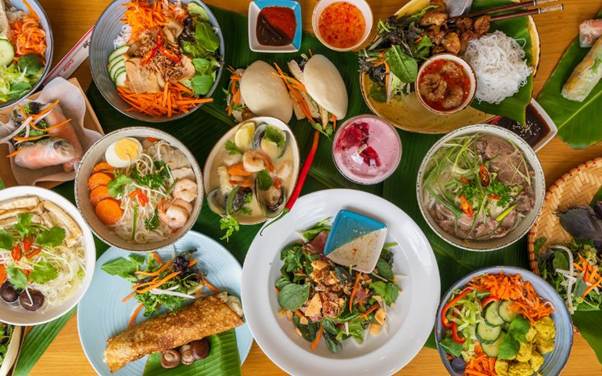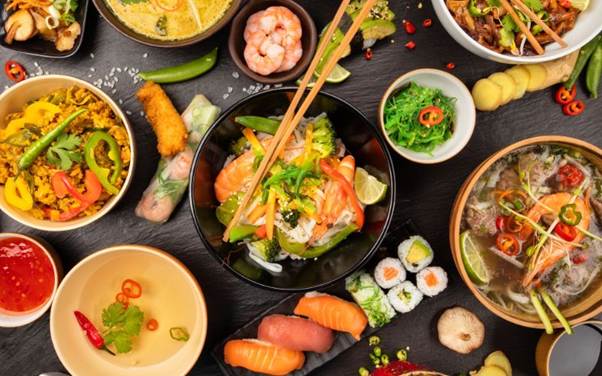
China doesn’t have one food culture. It has many, and they don’t politely blend into each other. They argue. They overlap. They contradict. That’s what makes eating here so interesting—and so confusing for first-time visitors.
If you’ve eaten “Chinese food” outside China, you’ve only met a distant cousin. Inside the country, flavors change fast as you move. Sometimes within the same province. Sometimes within the same city.
This guide is written the way I’d talk about Chinese food with a traveler who already understands how to get around and just wants to eat well without turning every meal into a research project. If China is part of a bigger trip—especially something planned around China family vacation packages —knowing what belongs where will save you from disappointment and wasted stomach space.
First, How Regional Food in China Actually Works
Chinese food is regional by necessity. Climate, history, and what grows locally shape everything.
People often talk about “eight cuisines,” but that’s an oversimplification. Think in regions instead. North vs south. Inland vs coastal. Spicy vs subtle.
Most people go wrong by ordering famous dishes in the wrong place. Or by eating only hotel food. That’s where trips often go wrong.
Northern China: Wheat, Noodles, and Hearty Plates
Northern China
The north relies on wheat, not rice. Expect noodles, dumplings, pancakes, and breads.
Beijing and Surroundings
Beijing
Peking duck is the obvious choice. It’s worth trying once, but only in a restaurant that does it properly. Thin skin, carved tableside, served with pancakes—not thick buns.
What most people miss are everyday noodle shops. Hand-pulled noodles with simple broths are where locals actually eat.
Breakfast here matters. Savory pancakes, soy milk, and dumplings set the tone for the day.
Eastern China: Subtle, Sweet, and Seasonal
Eastern China
This region values balance and texture over bold spice.
Shanghai and Jiangsu-Zhejiang Area
Shanghai
Shanghai food leans slightly sweet. Braised pork belly, soup dumplings, river fish.
Soup dumplings (xiaolongbao) should be eaten carefully. Bite, sip, then eat. Rushing them is how shirts get stained.
Many travelers find this food “too mild.” That usually means they’re eating the right things but expecting heat.
Southern China: Rice, Freshness, and Timing
Southern China
Southern Chinese food is lighter, faster, and built around freshness.
Guangdong (Cantonese Cooking)
Guangdong
Dim sum is not a brunch trend here. It’s a morning ritual.
Eat it early. By midday, the best dishes are gone.
Roasted meats—duck, pork, char siu—hang in shop windows. Order small amounts and share. Variety matters more than quantity.
Southwestern China: Heat with Purpose
Southwestern China
This is where spice takes center stage, but not just for heat.
Sichuan
Sichuan
Sichuan food isn’t about burning your mouth. It’s about layers. Chili heat, numbing peppercorn, sour notes.
Mapo tofu is the dish everyone orders. The good versions are balanced, not oily.
If everything tastes the same level of spicy, you’re in the wrong place.
Chongqing
Chongqing
Hotpot here is intense. You don’t eat it politely. You sweat, slow down, and pace yourself.
Order half spicy, half mild if you’re unsure. Locals do this too.
Central China: Underrated and Bold
Central China
Often skipped by travelers, central China has some of the most assertive flavors.
Hunan
Hunan
Hunan food is spicy, but sharper than Sichuan. Less numbing. More direct.
Smoked meats and pickled vegetables show up everywhere. It’s intense but satisfying.
Most people confuse Hunan and Sichuan food. They’re not the same.
Western China: Big Flavors, Fewer Rules
Western China
Food here reflects Silk Road influences.
Xinjiang
Xinjiang
Lamb skewers, flatbreads, cumin, chili. Very different from eastern China.
Eat with your hands. That’s normal here.
This is where China feels less familiar—and that’s a good thing.
Coastal China: Seafood Without Disguise
Coastal China
Seafood is treated simply. Steamed, lightly seasoned, served fresh.
If fish is covered in sauce, it’s often hiding age.
Coastal food rewards early dinners. Late seafood is a gamble.
Snacks, Street Food, and Small Meals
Street food used to be everywhere. Regulations have changed, but you’ll still find local snack streets.
Eat where turnover is fast. Avoid places that look abandoned.
This is where you discover regional personality fast.
Desserts: Manage Expectations
Chinese food doesn’t revolve around dessert.
Sweets are subtle. Bean pastes, fruit, light pastries.
If you’re craving sugar, adjust expectations or plan ahead.
Common Food Mistakes in China
- Ordering famous dishes in the wrong region
- Eating only hotel or mall food
- Over-ordering too early
- Expecting everything to be spicy
- Ignoring breakfast
Food and Traveling with Family
If you’re traveling with children—especially on China family vacation packages—regional food awareness helps a lot.
Northern food is usually more familiar. Southern dishes are lighter. Spicy regions need careful ordering.
Most restaurants are flexible if you ask.
Final Thoughts
Chinese food isn’t about chasing famous dishes. It’s about eating what belongs where you are.
Pay attention to region. Eat earlier than you think. Order less than you want.
Do that, and meals stop being intimidating and start becoming one of the best parts of traveling in China.
FAQs
1. Is Chinese food very spicy everywhere?
No. Only certain regions prioritize heat.
2. Is street food safe?
Busy places usually are. Use common sense.
3. Can vegetarians eat well in China?
Yes, especially in Buddhist-influenced regions.
4. Do I need to speak Chinese to order?
Helpful, but not required. Pointing works.
5. Are meals shared?
Yes. Order several dishes and share.
6. Is breakfast important?
Very. Some of the best food happens early.