Austria doesn’t shout about its food. It doesn’t need to. Meals here are confident, filling, and rooted in habits that haven’t changed much in decades. That’s part of the charm—and part of the confusion for visitors.
A lot of travelers assume Austrian food is just schnitzel and cake. They’re not wrong, but they’re stopping too early. What you eat here depends heavily on region, season, and even altitude. Eat the wrong thing at the wrong time, and it feels heavy. Eat the right thing, and suddenly everything clicks.
This guide is based on eating across Austria the way locals do it—simple places, set lunch menus, mountain huts, and cafés where no one rushes you out. If Austria is part of a longer route, or something built around Austrian Alps travel packages, knowing what actually makes sense to eat will save you time and a few disappointing meals.
First Things First: How Austrian Food Works
Austrian food is built for real life. Cold winters. Long walks. Ski days. Late afternoons in cafés.
Portions are generous. Sauces are not shy. Vegetables often play a supporting role rather than the lead.
Most people miss the timing. Lunch matters more than dinner here. And desserts aren’t optional—they’re a habit.
Vienna: Refined, But Not Light
Vienna
Vienna is where travelers form opinions about Austrian food, sometimes unfairly. The city’s cooking is polished, but it’s still rooted in comfort.
Wiener Schnitzel (The Real One)
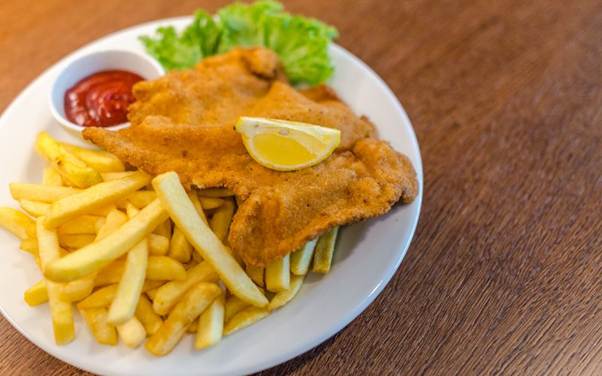
If it’s made with pork, it’s not a Wiener Schnitzel. That’s the first rule.
The real version uses veal, breaded thin, fried until crisp, and served simply with potatoes or a small salad. No sauce on top. Ever.
Most people order schnitzel in tourist restaurants and wonder why it feels heavy. Look for places that serve it only one way. That’s usually a good sign.
Tafelspitz
Boiled beef doesn’t sound exciting. In Vienna, it is.
Served in broth with root vegetables, then eaten with horseradish and apple sauce. It’s subtle, warming, and very Viennese.
This is a lunch dish. Dinner tafelspitz feels wrong.
Austrian Cafés: Where Trips Slow Down (or Go Wrong)
Viennese cafés are not just coffee stops. They’re institutions.
Order one coffee. Sit for an hour. No one cares.
Cakes That Matter
Sachertorte gets all the attention, but it’s not always the best choice. Often too dry, sometimes overhyped.
Apfelstrudel, on the other hand, rarely disappoints. Thin dough, tart apples, just enough sweetness.
Most people rush cafés. That’s a mistake.
Salzburg and Upper Austria: Hearty and Proud
Salzburg
Food here feels closer to the countryside. Heavier, simpler, and built to last through cold weather.
Salzburger Nockerl
A dramatic dessert. Light, fluffy, dusted with sugar. Looks heavy, eats lighter than expected.
Order it to share. It’s not meant to be eaten alone.
Dumplings Everywhere
Bread dumplings. Potato dumplings. Filled dumplings.
They show up next to roasts, in soups, or on their own. Learn to pace yourself. Dumplings stack faster than you think.
Tyrol and the Alps: Food with a Purpose
Tyrol
Mountain food isn’t delicate. It’s practical.
If you’re traveling through alpine regions—especially on itineraries tied to Austrian Alps travel packages—this is the food you’ll encounter most.
Tiroler Gröstl
Potatoes, beef, onions, topped with a fried egg. Usually served in a pan.
Eat this after hiking or skiing, not before. It’s fuel, not a light meal.
Kaiserschmarrn
Shredded pancake, caramelized, served with fruit compote.
It shows up as dessert, but many people eat it as a meal in mountain huts. No judgment. It works.
Styria: Pumpkin Seed Oil and Surprises
Styria
Styrian food flies under the radar. That’s why it’s interesting.
Pumpkin Seed Oil Dishes
Dark green oil, nutty and intense. Drizzled over salads, soups, even desserts.
If you don’t like it, don’t force it. But try it once. It’s very regional.
Fried Chicken (Backhendl)
Crispy, well-seasoned, served with salad. Lighter than it sounds.
This is picnic food, beer garden food, summer food.
Carinthia: Dumplings Done Differently
Carinthia
Carinthian cuisine leans toward the south, with lighter touches.
Kasnudeln
Cheese-filled pasta pockets, brushed with butter and herbs.
They look heavy. They’re not, if made properly. Eat them fresh. Leftover versions lose everything.
Desserts Are Not Optional
In Austria, desserts are part of the meal structure.
Skipping dessert feels incomplete, especially in cafés and mountain huts.
Eat smaller mains if you need to. But leave room.
Common Food Mistakes in Austria
- Eating schnitzel everywhere
- Skipping lunch menus
- Rushing cafés
- Underestimating portion sizes
- Ordering heavy food before long travel days
Food and Short Itineraries
If Austria is one stop among many—or part of alpine-focused trips like Austrian Alps travel packages—don’t try to sample everything.
Vienna for classics. Alps for comfort food. One regional specialty per place is enough.
Final Thoughts
Austrian food isn’t flashy. It’s reliable.
Eat what belongs where you are. Respect timing. Slow down in cafés.
Do that, and the food stops feeling heavy and starts feeling honest—which is exactly what Austria does best.
FAQs
1. Is Austrian food very heavy?
It can be, but timing and portions matter.
2. Is vegetarian food available?
Yes, especially dumplings, pancakes, and cheese-based dishes.
3. Do I need reservations for traditional restaurants?
In cities, often yes. In small towns, usually no.
4. Is tipping expected?
Yes, rounding up or adding 5–10% is common.
5. What’s the best meal of the day?
Lunch, especially set menus.
6. Are cafés only for coffee?
No. They’re for time.