Australia doesn’t announce its food culture loudly. It doesn’t need to. You notice it slowly, usually between good coffee and a meal that doesn’t fit the stereotypes you arrived with.
Most travelers expect barbecues, meat pies, and maybe seafood by the water. Those exist. But if that’s all you eat, you’ve skimmed the surface. Australian food is practical, multicultural, seasonal, and quietly confident. It works best when you stop searching for “Australian cuisine” and start eating the way locals do on an average week.
Whether you’re crossing the country independently or stitching food experiences into broader Sydney Melbourne tour packages, this guide is about what actually matters on the plate—and where visitors usually misread the room.
Start with Coffee (Seriously)
Coffee is not optional in Australia. It’s foundational.
In cities like Sydney and Melbourne, bad coffee is rare and noticed immediately. Flat whites, long blacks, short blacks—it’s all normal vocabulary.
Most people miss this: order coffee the local way. Don’t ask for flavored syrups. Don’t order drip unless you’re in a specialty café. Walk into a busy spot, order what the person ahead of you orders, and sit down if there’s space.
Coffee here sets the pace of the day. Ignore it, and you feel out of sync.
Breakfast and Brunch Culture
Australia doesn’t rush mornings.
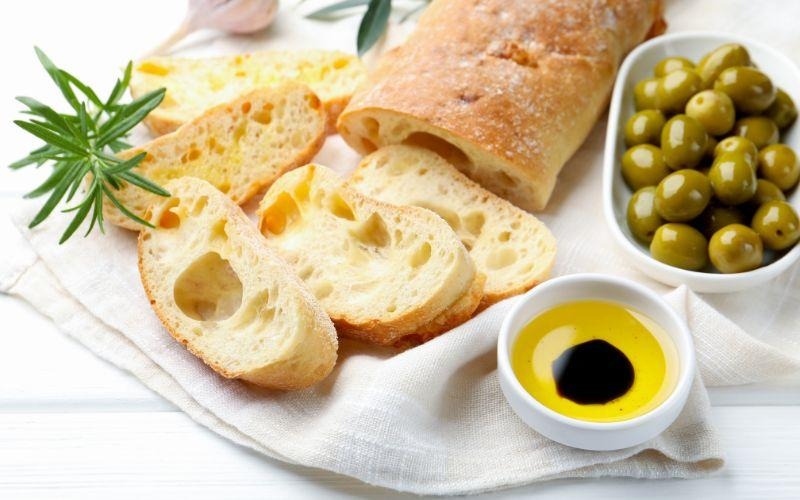
Avocado toast became a global punchline, but here it’s just… breakfast. Usually done well. Good bread, real olive oil, thoughtful toppings.
You’ll also see:
- Poached eggs with seasonal vegetables
- Sourdough with cultured butter
- Corn fritters, ricotta hotcakes, or grain bowls
Brunch isn’t a trend. It’s routine. Kitchens take it seriously. Eat breakfast out at least once in each city. This is where trips often go right.
Meat Pies (But Choose Carefully)
Yes, you should eat a meat pie. No, not every meat pie is worth it.
A good meat pie has flaky pastry, rich gravy, and properly cooked meat. A bad one is dry, bland, and forgettable. Service stations sell both.
Look for:
- Bakeries with queues
- Pies that require a napkin
- Limited flavors (that’s usually a good sign)
Most people grab the first pie they see and assume that’s the experience. It’s not. Choose better.
Seafood: Fresh, Simple, Expensive (Sometimes)
Australia’s seafood quality is high, but prices vary wildly.
On the coast, especially in places like Sydney, fish is treated with restraint. Grilled. Pan-fried. Minimal sauces.
Try:
- Barramundi (widely available and reliable)
- Flathead and whiting (especially in pubs)
- Oysters, if you’re into them—different regions taste different
Ask where the seafood is from. If the answer is vague, order something else.
Fish and chips can be excellent here. Or disappointing. Look for places near beaches with locals lining up after swimming.
Pub Food Is Better Than You Expect
Australian pubs aren’t just about beer.
Classic pub menus include:
- Chicken parmigiana (“parmi,” and yes, locals argue about it)
- Steak sandwiches
- Lamb shanks or roasts on special nights
The mistake travelers make is assuming pub food is generic. It’s not. In many towns, the pub kitchen is the best option available.
Eat early. Kitchens close earlier than you think, especially outside cities.
Barbecue: Less Theater, More Habit
Australian barbecue isn’t always the dramatic grill scene people imagine. It’s casual. Practical.
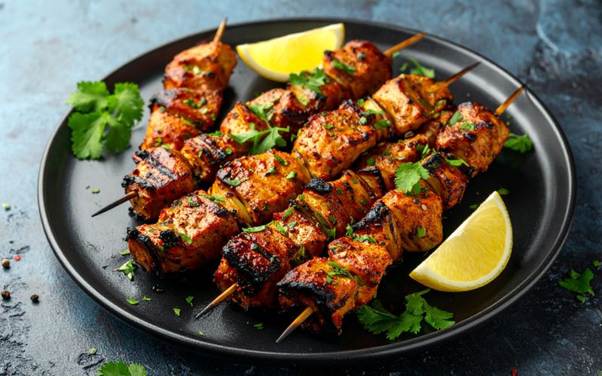
Public parks have free electric grills. Locals bring sausages, bread, onions, and maybe lamb chops. That’s it.
If you’re invited to a barbecue, go. Bring drinks. Don’t overthink it. This is how Australians socialize without planning too much.
You don’t need to chase a “best BBQ restaurant.” That’s missing the point.
Multicultural Food (Where Australia Really Shines)
Here’s where Australia quietly excels.
You’ll find excellent:
- Thai
- Vietnamese
- Chinese (regional, not generic)
- Lebanese
- Greek
- Italian
These aren’t watered-down versions. They’re local evolutions, shaped by migration and ingredients.
In Melbourne, Vietnamese food is particularly strong. In Sydney, Middle Eastern and Asian cuisines dominate entire neighborhoods.
Most people miss this because they’re hunting for “Australian dishes.” The real story is how Australia eats everyone else’s food—well.
Indigenous Ingredients (Approach Thoughtfully)
You’ll see native ingredients mentioned more often now:
- Kangaroo
- Wattleseed
- Finger lime
- Bush tomatoes
Some restaurants handle these respectfully. Others use them as novelty.
If a menu explains why an ingredient is there and how it’s sourced, that’s a good sign. If it feels like a gimmick, skip it.
Kangaroo meat is lean and common in supermarkets. It’s not exotic here. Just don’t overcook it.
Desserts and Sweets
Australian desserts don’t shout.
- Lamingtons (sponge cake, chocolate, coconut)
- Pavlova (yes, shared with New Zealand—don’t start that argument)
- Anzac biscuits
They’re familiar, comforting, and often homemade.
Desserts aren’t the highlight of meals here. Coffee usually is.
Wine and Beer
Australia produces excellent wine. Not just big reds.
Try:
- Clare Valley or Barossa whites
- Margaret River wines
- Tasmanian sparkling
Beer culture leans toward craft now. Local breweries exist everywhere.
Ask what’s local. Order that.
Where Travelers Go Wrong
They eat too late. Kitchens close earlier than expected.
They stick to tourist strips. Food quality drops fast there.
They chase “Australian cuisine” instead of eating regionally and culturally.
And they underestimate portions. Australian servings are generous.
Final Thoughts
Australia feeds you quietly but well. It doesn’t insist you notice. It just expects you to pay attention.
If your trip includes major cities or well-paced itineraries like Sydney Melbourne tour packages, use those cities as food anchors. Eat where locals eat. Trust coffee shops. Follow busy bakeries. Order seafood simply. Explore multicultural neighborhoods.
Don’t try to define Australian food too tightly. Eat what’s good where you are. That’s how Australians do it—and it works.
FAQs
1. Is Australian food expensive?
Dining out can be costly, especially in cities, but quality is usually high.
2. Is tipping expected in Australia?
No. Tipping is optional and not expected, even in restaurants.
3. Can vegetarians eat well in Australia?
Very well. Vegetarian and vegan options are common, especially in cities.
4. Is it safe to eat street food?
Yes. Food safety standards are high.
5. What’s the best meal of the day to eat out?
Breakfast or brunch is a standout, especially in major cities.
6. Should I try kangaroo meat?
If you’re curious, yes. It’s common and sustainably sourced.
7. Do I need reservations?
For popular restaurants, yes—especially on weekends.