Argentina is not a country where you casually eat. You plan meals. You talk about them. You stretch them late into the night. And if you don’t adjust your expectations early, this is where trips often go wrong.
Food here is simple on the surface, but serious underneath. Quality ingredients. Few distractions. Strong opinions. I’ve eaten across Argentina over many trips, from neighborhood parrillas to roadside bakeries, and the best meals were rarely fancy. They were well-timed, well-sourced, and unrushed.
This guide is about what actually ends up on your plate—and what you should seek out or skip—whether you’re city hopping, heading south, or even browsing Argentina Patagonia tour packages and wondering what you’ll be eating along the way.
Beef Is the Baseline (But Not All Beef Is Equal)
Yes, the beef deserves the hype. But here’s the part most people miss: where and how you eat it matters more than the cut.
In Buenos Aires, neighborhood parrillas beat anything with a long English menu. Order bife de chorizo or ojo de bife, cooked medium rare, and don’t overthink sauces. Chimichurri is there, but it’s not the star.
Lunch portions are huge. Dinner starts late. Show up at 7 p.m. and the grill might not even be hot yet.
A small warning: if the waiter doesn’t ask how you want your steak cooked, ask anyway. Otherwise, it may arrive closer to well-done than you hoped.
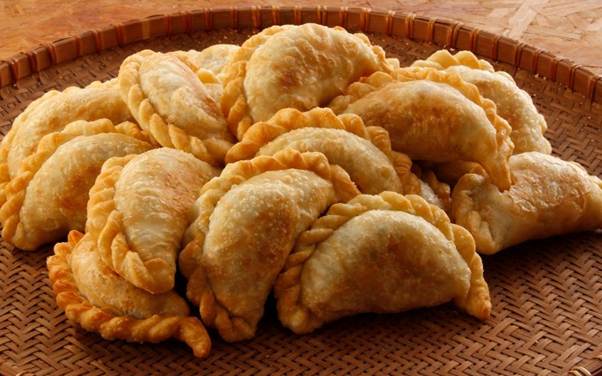
Empanadas Change by Region (Try More Than One)
Empanadas are everywhere, and that’s exactly why travelers underestimate them.
Each region has its own version. In the northwest, they’re juicy, spiced, and often folded smaller. In Patagonia, they might be stuffed with lamb or trout. In Buenos Aires, they’re simpler, meat-and-onion heavy, sometimes baked, sometimes fried.
Eat them fresh. Reheated empanadas are fine, but they don’t show you why locals care.
Real-life tip: order by the half-dozen and mix fillings. People who stick to “just beef” usually regret it.
Milanesa: Argentina’s Comfort Food
If there’s one dish Argentines eat more often than steak, it’s milanesa.
Think breaded cutlet—beef or chicken—fried thin and crispy. You’ll see it everywhere from family restaurants to corner bars. Milanesa napolitana (topped with tomato sauce, ham, and cheese) is especially popular, and especially filling.
It’s not glamorous. It’s reliable. And after a long travel day, it hits harder than another steak.
This is also where portion shock kicks in. One milanesa can easily feed two.
Pizza and Pasta Feel Familiar (But Taste Different)
Italian influence runs deep, but don’t expect Italy.
Pizza in Argentina has a thick, bready crust and a lot of cheese. A lot. Locals love it. Some travelers don’t. Try a slice before committing to a full pie.
Pasta is comforting and well-executed, especially in family-run places. Gnocchi on the 29th of the month is a local tradition—most restaurants will have a special menu that day.
If you’re traveling longer-term, these meals help reset your palate between heavier meat days.
Patagonia Eats: Lamb, Trout, and Simple Cooking
Once you head south, the menu shifts.
Patagonian lamb—often slow-roasted over open fire—is a highlight when done right. It’s rich but clean-tasting, and usually shared. Trout appears often, especially near lakes, grilled simply with lemon.
Don’t expect variety here. Expect quality.
If your itinerary includes Argentina Patagonia tour packages, meals are often included or planned around long travel days. When you get a chance to eat independently, take it. Small local restaurants often outperform lodge dining.
Wine Is Excellent (And Affordable)
Wine isn’t a splurge in Argentina. It’s a default.
Malbec from Mendoza is the obvious choice, but Torrontés (a white wine from the north) surprises people. Order house wine confidently—it’s usually solid.
One thing to know: wine pours are generous. Pace yourself, especially if you’re walking home late.
Mate: More Than a Drink
You’ll see mate everywhere. On buses. In parks. On hiking trails.
It’s bitter. Earthy. Social. And not really designed for tourists, despite what souvenir shops suggest.
If someone offers you mate, accept it. If you don’t like it, that’s fine. Don’t pretend. Locals won’t mind.
Just don’t touch the bombilla (metal straw). That’s where etiquette actually matters.
Bakeries, Ice Cream, and Sweet Stops
Argentina does sweets quietly but well.
Panaderías are for breakfast or afternoon merienda. Medialunas (croissants) are sweeter than European ones. Dulce de leche is everywhere, and yes, it’s worth it.
Ice cream—helado—is a standout. Italian-style, dense, and flavorful. Even small towns have excellent heladerías.
Most people eat it late. Like 11 p.m. late.
Timing Is Everything
This is the biggest adjustment for many travelers.
Lunch runs from 1–3 p.m. Dinner rarely starts before 8:30. Kitchens may close in between. Plan snacks or accept hunger.
Coffee culture exists, but it’s slower and lighter. Don’t expect fast refills or laptop cafés everywhere.
Once you stop fighting the rhythm, meals become highlights instead of logistical headaches.
Final Thoughts
Argentina’s food scene rewards patience and curiosity more than planning. Eat where locals linger. Order less than you think, then add more. Adjust your schedule. And don’t chase trends—chase consistency.
Whether you’re eating your way through cities or heading south with Argentina Patagonia tour packages, the best meals usually come when you stop trying to optimize and start paying attention.
Good food here isn’t about excess. It’s about doing a few things very well, over and over, with confidence.
FAQs
1. Is Argentine food good for vegetarians?
It’s improving, especially in big cities, but outside urban areas options can be limited. Milanesa de berenjena and pasta help, but planning matters.
2. Do I need reservations for restaurants?
For popular parrillas in major cities, yes—especially on weekends. Smaller local spots usually don’t require them.
3. Is street food safe to eat?
Generally yes, if it’s busy and freshly made. Empanadas and choripán from popular stands are usually fine.
4. How expensive is eating out?
Compared to many destinations, it’s affordable, especially for meat and wine. Prices vary with inflation, but value remains strong.
5. Can I drink the tap water?
In most cities, yes. In remote areas, bottled water is safer.
6. What’s the biggest dining mistake travelers make?
Eating too early, ordering too much, and judging food by how fast it arrives. Slow service often means fresh cooking.
7. Is tipping expected?
A small tip (5–10%) is appreciated but not mandatory. Rounding up is common in casual places.