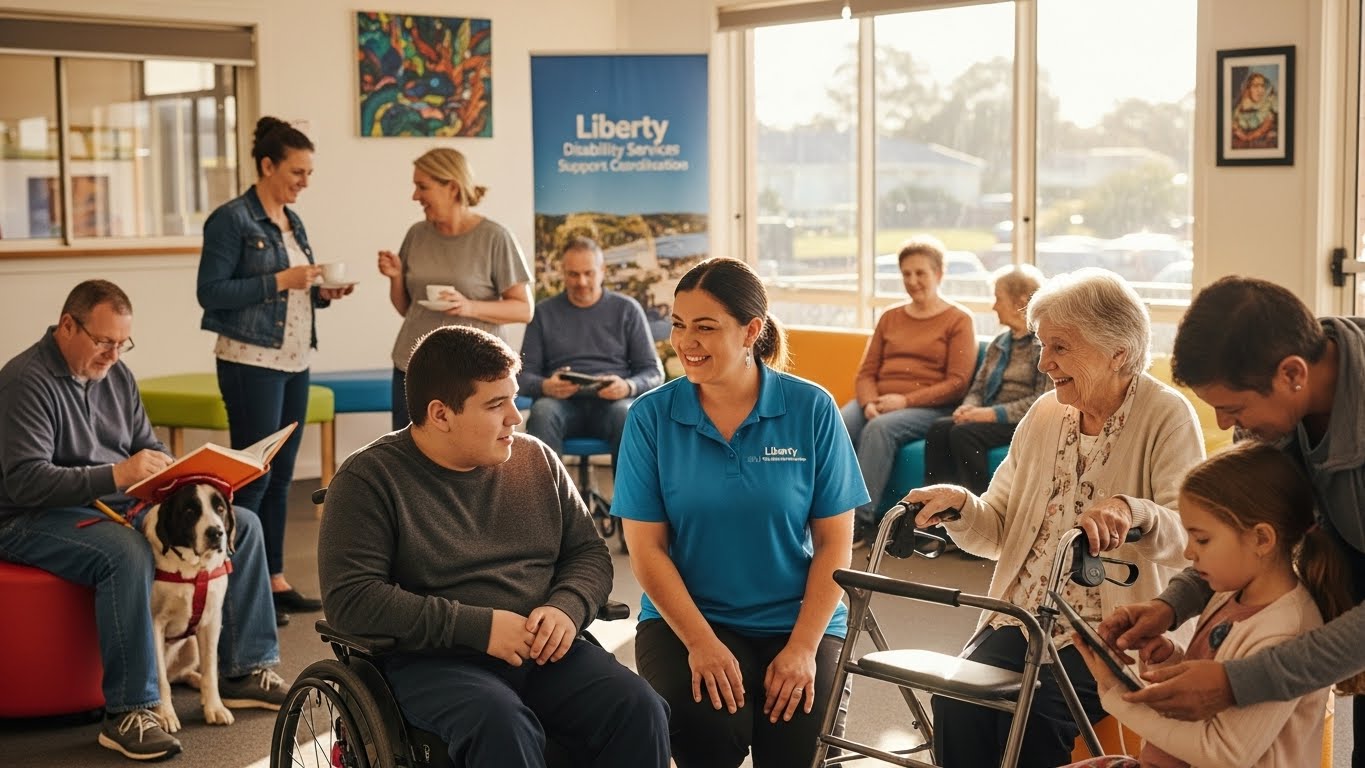
The National Disability Insurance Scheme (NDIS) is a lifeline for Australians living with disability, but the paperwork and choices can feel overwhelming. A support coordinator steps in to turn that complexity into a clear, manageable path. By helping participants understand their plan, connect with service providers, and stay on track, a support coordinator makes daily life smoother for families and caregivers across the country.
What Does a Support Coordinator Do
A support coordinator is a qualified expert who works within the NDIS to guide participants through a range of planning and implementation. Their average tasks include:
Understanding the NDIS
- Explain each budget line item, and its relationship to the player’s dreams.
- Identify gaps within the plan and suggest low-cost changes.
- Helping households determine viable immediate and long-term outcomes.
Contact with service providers
- Whether it’s physiotherapists in Melbourne or speech therapists in Brisbane, shaped by the needs of players looking for neighborhood providers.
- Negotiate transport contracts and ensure vendors meet specific NDIS requirements.
- Coordination of schedules to avoid conflicts and reduce travel time.
Monitor progress and manage change
- Track milestones and document results for plan review.
- Help plan follow-ups, such as gathering evidence and updating dreams.
- To provide troubleshooting assistance when offers are delayed or do not go as promised.
Why grant coordinators matter in Australia
The geographical and cultural landscape of Australia suggests that disability services extend from the metropolitan area to the suburbs. An assistant coordinator brings nearby knowledge that bridges those gaps:
- Regional knowledge: There may be few companies in places like the Kimberley or Central Coast, so the coordinator makes it easier for members to access telehealth or travel assistance.
- Indigenous stakeholders: Paint coordinators with Indigenous community-controlled health services to assess cultural practices and language preferences.
- State laws: Each state has several laws (e.g., the Victorian Disabilities Act) that a support coordinator can use to protect the rights of individuals.
Choosing the Right Support Coordinator
Finding a certified assistance coordinator is a big step. Below are factors to consider when evaluating capacity providers:
Education and Experience
- Registered with the NDIS Commission legitimate work with children check protected.
- Background in social work, allied health or disability services.
- Experience with specific disability types (e.g., autism, spinal cord injury, intellectual disability).
Local Provider Network
Establish relationships with suppliers in the player’s periphery or location.
Ability to advise on developmentally appropriate services for CALD (Culturally and Linguistically Diverse) families.
Communication style
Clear, jargon-free motivations and regular updates.
Availability of face-to-face meetings, phone or video chat as desired with the assistance of the stakeholder group.
Regular Visit with Support Coordinator
The process generally follows these categories, each designed to keep the participant in control of their NDIS program.
Initial Consultation
During the first meeting, the assistant coordinator gathers non-public facts, details about the athlete’s disability and aspirations. This allows you to create a personalized roadmap.
plan review and goal setting
The coordinator works with the player to translate dreams into measurable outcomes, ensuring they align with NDIS investment categories including “daily” or “social participation”.
Supplier Search and Selection
Using a database of approved providers, the coordinator shortlists options, schedules trials, and assists with contract signing.
administration and control
Regularly observe song development, encounter any supplier problems, and modify plans as needed. Coordinator information outcomes for succession planning assessments.
Plan Review Preparation
At the end of the plan’s three-year cycle, the coordinator compiles evidence, updates goals, and guides the participant through observation sessions.
Common challenges and how the support coordinator solves them
- Complex financing rules: Coordinators break down each price class line, prevent overspending, and ensure all wishes are protected.
- Finding services in remote areas: They use telehealth, visitor assistance, and community links to fill gaps.
- Language barriers: Households speak Mandarin, Arabic, or a tribal language, and coordinators arrange for interpreters and culturally sensitive providers.
- Changing needs: As condition conditions evolve, coordinators quickly adapt services and guide new dreams.
Top Support and Coordination Providers in Australia (example)
Although the market is aggressive, several organizations rely heavily on their excellent transportation company. Below are some examples that illustrate how many choices should be made.
- Disability Support Services NSW: Provide a dedicated group in Sydney’s western suburbs focused on multicultural accommodation.
- Queensland Disability Network: Provides local coordinators focusing on remote community outreach.
- Western Australia Community Nursing: Known for strong links with Aboriginal fitness offerings.
- Victorian Disability Connect: Provides a virtual portal for pure document sharing and progress tracking.
Costs and funding for grant coordination
The NDIS funds assisted coordination as part of the participant’s plan but varies quite a bit depending on the level of guidance required. There are 3 steps:
- Support coordination (Level 1): Basic assistance to supporters who occasionally need processing.
- Support coordination (Level 2): More general contact with participants with complex wishes.
- Support Coordination (Level 3): Intensive support for supporters with high levels of helpfulness or who are new to the NDIS.
If a player exceeds the allotted finances, the assistant coordinator can help Aditi with negotiations .
Cultural nuance and community engagement
Australia’s multicultural society believes that diverse traditions must be respected in disability support. A support coordinator who understands these nuances:
Facilitate conversations with long-term family members who may be involved in making choices.
Connect sponsors with networking agencies, such as the Greek Disability Association in Melbourne or the Somali Community Center in Perth.
Make sure mobile plans include cultural practices, such as attendance at web fairs or language processing.
Future trends in support coordination in Australia
The NDIS landscape is evolving. New features as ways of appointing auxiliary coordinators include:
- Digital Platforms: Mobile apps that enable real-time monitoring of services and outcomes.
- Integrated health records: Combining NDIS data with Medicare and private health data into a holistic plan.
- Outcomes-based funding: Greater recognition of measurable outcomes pushing coordinators to adopt record-driven approaches.
- Community-led models: Increased involvement of peers and neighborhood support groups.
Q&A: Common Questions about Support Coordinators in Australia
Below are the most frequently requested questions from Australians seeking help with their NDIS plan.
Q: What qualifications does an Assistant Coordinator need to have in Australia?
A: A mentoring coordinator must be registered with the NDIS Commission, have valid work experience with children, and generally have a historical past in social portraiture, allied health or disability provision. Experience with specific handicap types and knowledge of local vendors are also important.
Q: To what extent do NDIS funds support coordination?
A: The funding is entirely based on three levels of aid coordination. Level1 provides primary care, Level2 provides routine touches, and Level3 can provide comprehensive care. The exact dollar amount depends on the preference of the participant and is indexed within the plan budget.
Q: Can I change my support coordinator if I am not happy with the provider?
A: Indeed. Participants have the right to request a new coordinator at any time. It is recommended that issues be discussed with an advanced coordinator first, but if the issue remains unresolved, a formal request can be made via the NDIS portal.
Q: Do support coordinators help find services in local or remote areas?
A: Definitely. Coordinators use their communities to find local vendors, organize telehealth options, and follow up with travel assistance where they want it. They also work with community businesses to fill supplier gaps.
Q: How does the Support Coordinator help with NDIS plan assessments?
A: The coordinator gathers evidence of outcomes, updates cases, and prepares documents for review meetings. They also recommend any additional funding that may be needed and help the player gift a clear goal to the planner.
Conclusion: Your Path to a Successful Relief Coordinator in Australia
The Support Coordinator is the bridge between the promise of the NDIS and the usual facts for individuals and households. By simplifying the planning language, connecting with neighboring businesses and monitoring progress, they turn a complex tool into a clear roadmap. When you choose a coordinator, with the right meet for registration, nearby knowledge, cultural sensitivity and the kind of conversation your tribe wants, you could maximize your NDIS funding, pursue important dreams and enjoy a smoother, extra equitable lifestyle. Take the first step today: Evaluate your current plan, reach out to a certified coordinator, and start building a support network that works well for you.