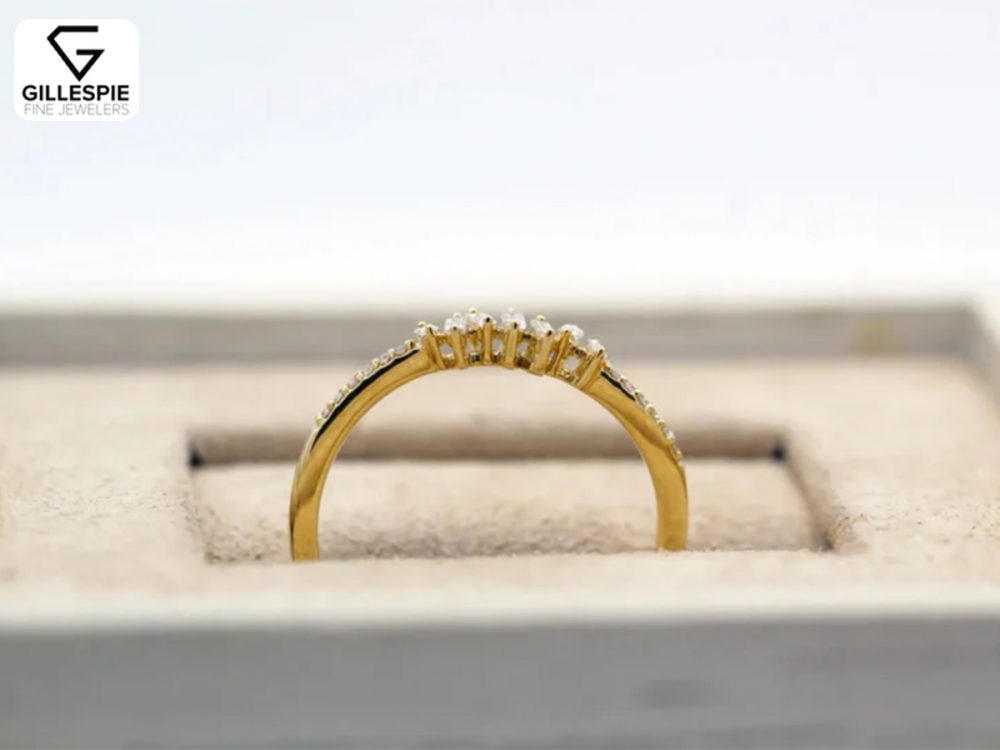
Jewelry care often decides whether a treasured ornament looks radiant for years or slowly loses its visual impact. A diamond halo pendant attracts attention because its clustered stones reflect light from multiple angles, creating a balanced brilliance that feels refined yet expressive. That same complexity, however, requires disciplined care. Without correct routines, dust settles between stones, oils mute reflections, and prongs weaken quietly. Learning the science of maintenance builds confidence, protects value, and keeps long-term brilliance intact.
1. Learn the Halo Design and Its Sensitivity
A halo pendant features a central diamond encircled by smaller accent stones, each held by precise micro-prongs. This architecture increases sparkle but also increases vulnerability. Tiny gaps between stones collect debris faster than solitaire designs. You should understand that even light residue can block light flow, reducing the pendant’s optical performance over time. Awareness prevents aggressive handling that often causes avoidable damage.
Each accent stone depends on balanced pressure from surrounding prongs. When excessive force is applied during cleaning or drying, prongs may bend microscopically. This shift often goes unnoticed until a stone loosens. Designs inspired by Custom Fine Jewelry in Dallas typically emphasize precision craftsmanship, making gentle care essential. Respecting structural delicacy preserves symmetry and brilliance simultaneously.
2. Adopt Gentle and Consistent Cleaning Habits
Regular cleaning removes oils and dust before buildup hardens. You should use lukewarm water mixed with mild soap to loosen residue naturally. A soft-bristled brush reaches narrow spaces without scratching metal or stones. Weekly cleaning maintains clarity, especially for pendants worn daily. This routine keeps diamonds reflective and gold surfaces smooth.
Avoid chemical cleaners, abrasive pastes, or alcohol-based solutions. These substances may weaken prongs or dull metal finishes. Ultrasonic machines also create vibrations that may loosen accent stones. Many professionals recommend simple manual cleaning for items similar to those chosen when people buy a gold necklace in Dallas for frequent use. Consistency matters more than intensity when protecting long-term shine.
3. Drying and Polishing for Maximum Light Reflection
Drying techniques directly affect surface clarity. Air drying often leaves mineral marks that interfere with light refraction. You should gently pat the pendant using a lint-free cloth, focusing on stone edges where moisture hides. Proper drying prevents streaks and reduces future buildup.
Polishing restores brightness when done carefully. Straight, light strokes protect prongs and maintain even metal texture. Circular rubbing creates uneven pressure points that may catch delicate settings. Over time, controlled polishing improves brilliance without thinning the metal. This practice aligns with preservation methods often advised when consumers buy gold jewelry in Dallas for long-term wear.
4. Store the Pendant to Prevent Abrasion and Tarnish
Storage plays a silent role in jewelry longevity. A halo pendant should remain isolated from other pieces to prevent friction. Diamonds can scratch gold surfaces easily, even when contact seems light. You should store the pendant in a soft-lined compartment or pouch designed to minimize movement.
Environmental conditions also influence shine. Humidity accelerates tarnish, and weakens metal bonds. A dry, temperature-stable location protects both diamonds and gold. Thoughtful storage habits prevent dullness and reduce the need for frequent polishing, which ultimately preserves structural strength.
5. Avoid Daily Habits That Reduce Sparkle
Everyday routines impact brilliance more than occasional cleaning. You should remove the pendant before applying lotions, perfumes, or cosmetics. These products create a film over diamonds that blocks light entry. Even transparent residues reduce sparkle significantly when allowed to accumulate.
Physical activities also pose risks. Exercise, swimming, or sleeping while wearing the pendant strains prongs gradually. Small impacts weaken settings over time. Removing jewelry during these moments protects alignment and maintains clarity. Conscious habits keep brilliance consistent without additional effort.
6. Schedule Professional Care at the Right Time
Professional inspections detect early signs of wear that home care cannot identify. A yearly check ensures prongs remain secure and stones are properly aligned. Polishing performed by trained hands restores luster while preserving metal thickness. You should view professional care as preventive, not corrective.
Over-polishing shortens a pendant’s lifespan by thinning prongs. Balanced scheduling avoids unnecessary metal loss. Pendants that undergo regular, non-abrasive inspections retain their brilliance longer and require fewer significant repairs. Strategic maintenance supports longevity without compromising design integrity.
Conclusion
Long-lasting brilliance depends on disciplined habits rather than occasional fixes. When cleaning, storage, and daily wear align with structural needs, clarity remains consistent across years. A diamond halo pendant rewards careful handling with enduring shine and balanced sparkle. Small, informed actions today protect visual depth, metal strength, and overall elegance well into the future.