Kashmir doesn’t introduce its food gently. It assumes you’re ready for warmth, richness, and time at the table. Meals here aren’t rushed, and they aren’t light in the way many travelers expect. That catches people off guard—especially those arriving on tight itineraries or moving quickly between viewpoints on Kashmir scenic valley tours.
Kashmiri food is built for cold weather, long winters, and hospitality that’s taken seriously. It’s not about heat. It’s about depth. Spices are used carefully. Oils and fats are intentional. Portions are generous because meals are meant to last.
This guide is based on eating slowly, repeating dishes, and learning which foods make sense at which moments of the day.
Understanding Kashmiri Food Before You Order
Kashmiri cuisine, especially traditional Wazwan-style cooking, is richer than most Indian regional food. Yogurt, ghee, mustard oil, and warming spices show up often.
This is where trips often go wrong: travelers order too many heavy dishes in one sitting. Pace matters. Sharing matters. You don’t need to try everything at once.
Also important—many traditional dishes are meat-based. Vegetarian options exist and are excellent, but they’re different from what you might expect elsewhere in India.
Srinagar
Where most food journeys begin
Srinagar is where you’ll find the widest range—from home-style meals to restaurants adapting Kashmiri food for visitors.
Don’t default to hotel dining every night. Walk a little. Ask what’s cooked fresh that day. The best meals are often quiet and unadvertised.
Early dinners are common. Late-night food options are limited. Plan accordingly.
Rogan Josh
The dish everyone mentions—for a reason
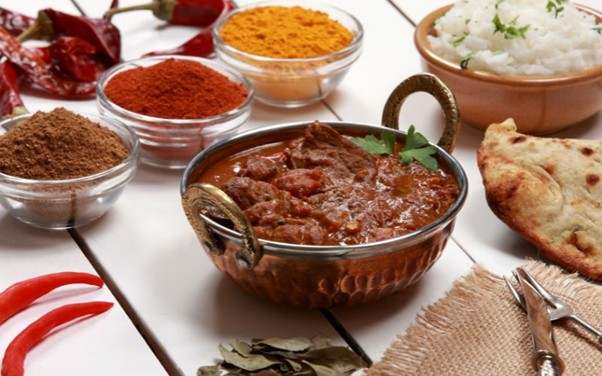
Rogan josh is slow-cooked lamb in a deep red gravy, colored more by Kashmiri chilies than heat. It’s aromatic, not spicy.
The biggest mistake people make is expecting fire. That’s not the point. The flavor is rounded and warming.
Eat it with rice. Not bread. That’s how it makes sense.
Yakhni
Gentle, comforting, underrated
Yakhni is lamb cooked in a yogurt-based gravy with minimal spice. Pale in color. Subtle in flavor.
Many travelers skip it because it looks plain. That’s a mistake. After a day in cold air, yakhni feels restorative.
This is one of those dishes you understand more after the second bite than the first.
Dum Aloo (Kashmiri Style)
Not what you expect
Kashmiri dum aloo is different from versions elsewhere in India. No tomato. No onion. Just yogurt, spices, and baby potatoes.
It’s richer than it looks. One serving is enough.
Vegetarians often underestimate how satisfying this dish is. Don’t.
Gushtaba
Heavy, ceremonial, unforgettable
Gushtaba is minced meatballs cooked in a thick yogurt gravy. Traditionally served at the end of a Wazwan meal.
This is not everyday food. It’s special-occasion food. Rich, dense, and filling.
If you’re offered gushtaba in a home or traditional setting, say yes—but plan to eat lightly beforehand.
Kahwa
More than tea
Kahwa is green tea brewed with saffron, spices, and sometimes almonds. It’s served throughout the day, especially after meals.
This isn’t just hospitality. It aids digestion and warms you quickly.
Most travelers treat kahwa like a novelty drink. It’s more useful than that. Accept refills.
Bread Matters More Than You Think
Kashmir has its own bread culture. Tsochvor, girda, and sheermal show up in the mornings, often sold by street vendors.
Breakfast bread with tea is common. Heavy breakfasts are less so.
Most people miss this early-morning food window entirely by sleeping in.
Street Food: Choose Carefully, Not Fearfully
Street food exists, but it’s quieter than in other parts of India. Look for simple setups selling bread, kebabs, or snacks with steady local traffic.
Avoid anything sitting out too long. Eat hot food. Ask what’s fresh.
Kebabs in the evening, especially in Srinagar, are often worth stopping for.
Eating During Travel Days
Distances in Kashmir feel longer than maps suggest. Road days eat time.
This is where Kashmir scenic valley tours sometimes schedule meals more reliably than independent travel. Either way, plan for warm, cooked food during transit days.
Cold snacks and rushed meals don’t work well here—especially in cooler months.
Vegetarian Travelers: What to Know
You’ll eat well, but differently.
Dum aloo, haak (collard greens), nadru (lotus stem), and yogurt-based dishes form the core of vegetarian Kashmiri meals.
Don’t ask for generic North Indian dishes everywhere. Ask what’s local and vegetarian instead.
A Few Honest Warnings
- Kashmiri food is rich—order less than you think
- Eat slowly; digestion matters
- Don’t judge dishes on appearance alone
- Expect fewer late-night options
- Repeat dishes instead of chasing variety
Most discomfort comes from overeating, not spice.
Final Thoughts
Kashmir’s food reflects its climate and culture—warm, generous, and unhurried. The best meals come when you stop trying to sample everything and start eating what fits the day.
Whether you’re moving independently or along thoughtfully planned Kashmir scenic valley tours, give meals the same respect you give landscapes. Slow down. Eat deliberately. Let dishes repeat.
That’s when Kashmiri food stops feeling heavy and starts feeling right.
FAQs
1. Is Kashmiri food very spicy?
No. It’s aromatic and rich, not hot.
2. Can vegetarians eat well in Kashmir?
Yes, especially if you focus on local vegetarian dishes.
3. Is Wazwan only for special occasions?
Traditionally yes, but elements appear in restaurants.
4. What’s the best time of day to eat heavier dishes?
Lunch or early dinner works best.
5. Is street food safe?
Choose busy vendors and eat freshly cooked items.
6. Should I avoid meat dishes if I’m not used to rich food?
Start small and see how you feel.