Introduction
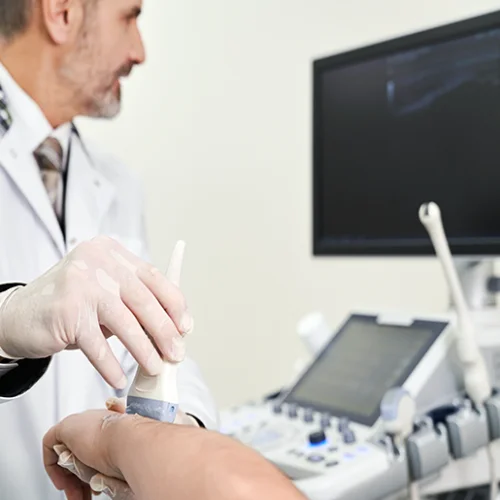
When unforeseen health issues arise, presto and accurate opinion becomes critical. One of the most dependable imaging tools used in critical medical situations is ultrasound. Numerous cases search for emergency ultrasound near me when they witness unexplained pain, injuries, or internal symptoms that bear immediate evaluation. Ultrasound imaging allows healthcare professionals to snappily view internal organs, blood inflow, and napkins without invasive procedures.
Unlike other imaging styles, ultrasound is presto, safe, and extensively available in critical medical installations. In numerous cases, getting an ultrasound snappily can help croakers
diagnose conditions similar as abdominal pain, gallbladder issues, gestation complications, or internal bleeding. Knowing when and how to pierce exigency ultrasound services can make a significant difference in entering timely care and precluding complications.
Why Emergency Ultrasound Is Important in Urgent Medical Situations
Exigency ultrasound plays a vital part in ultramodern healthcare, particularly in critical care and emergency settings. Physicians calculate on ultrasound because it delivers immediate results and helps guide treatment opinions.
Ultrasound imaging uses sound swells to produce real- time images of the body’s internal structures. This makes it especially useful for diagnosing conditions similar to organ inflammation, fluid buildup, or blood inflow problems. Since the procedure does n’t use radiation, it’s considered safer for numerous cases, including pregnant women.
In critical situations, time is critical. Exigency ultrasound allows medical providers to snappily identify the cause of symptoms and determine the coming way for treatment. For illustration, a case passing severe abdominal pain may admit an ultrasound to check for gallstones, appendicitis, or order issues.
Searching for the nearest critical care to me can frequently lead cases to installations that offer quick ultrasound access without the long delay times generally associated with sanitarium exigency apartments.
When You May Need an Emergency Ultrasound
Numerous people are doubtful when ultrasound imaging becomes necessary in critical situations. While some medical problems bear immediate sanitarium care, others can be effectively estimated through critical care imaging services.
Common situations where exigency ultrasound may be recommended include :
- Severe abdominal or pelvic pain
- Suspected gallstones or order monuments
- Gestation- related enterprises
- Unexplained lump or fluid buildup
- Possible internal bleeding after injury
- Blood clot discovery in legs or modes
Healthcare providers frequently choose ultrasound because it provides rapid-fire sapience into what’s passing inside the body. This allows croakers to make faster opinions about specifics, procedures, or further testing.
Tip 1: Choose a Facility With Immediate Imaging Availability
One of the most important factors when seeking critical imaging services is availability. Not all conventions have on- point ultrasound outfits available at all times. Before visiting a medical installation, it’s helpful to confirm that individual imaging is available.
installations that give immediate imaging services can frequently complete the checkup and interpret the results during the same visit. This reduces the need for fresh movables and helps cases admit treatment briskly.
When looking for critical imaging services, consider installations that :
- Give same- day individual imaging
- Have trained ultrasound technicians
- Offer quick result interpretation
- Handle critical medical conditions efficiently
These features can significantly ameliorate the speed and quality of care during medical extremities.
Tip 2: Understand What Ultrasound Can Diagnose
Ultrasound is largely protean and can help identify numerous different medical conditions. Knowing what it can describe helps cases understand why croakers recommend it in exigency situations.
Common conditions diagnosed through exigency ultrasound include :
- Gallbladder inflammation or gallstones
- Order monuments and urinary blockages
- Appendicitis
- Gestation complications
- Internal bleeding or fluid accumulation
- Blood clots in modes
Croakers frequently choose ultrasound because it provides real- time images, allowing them to see organ movement and blood inflow incontinently.
Tip 3: Seek Care Quickly When Symptoms Appear
Delaying medical care during severe symptoms can lead to complications.However, it’s important to seek medical evaluation snappily, If symptoms worsen or appear suddenly.
Signs that may bear critical imaging include :
- Sharp or patient abdominal pain
- Unforeseen lump or tenderheartedness
- Severe nausea or puking
- Dizziness or conking
- Unusual gestation symptoms
Early opinion helps healthcare providers start treatment sooner and help the condition from worsening.
Tip 4: Prepare Basic Medical Information Before Your Visit
While emergency situations can be stressful, having essential medical information ready can help medical staff give brisk care. Simple medication may reduce detainments and ameliorate communication with healthcare providers.
Cases should try to bring or flash back :
- Current specifics
- Given disinclinations
- Medical history
- Recent injuries or symptoms
- Gestation status( if applicable)
Furnishing accurate information allows healthcare professionals to interpret ultrasound results more effectively and recommend stylish treatment options.
Tip 5: Follow Up After Your Ultrasound Evaluation
Medical professionals perform ultrasound checkups as their initial diagnostic method which helps them find medical problems. Medical professionals will suggest additional diagnostic tests and specialist evaluations after they finish their review of imaging results. Medical treatment and recovery success depends on patients following through with their recommended medical care. Doctors need to decide between performing new medical scans at present or conducting blood tests and laboratory analysis for their patients. The treatment plan includes drug therapy and surgical procedures for patient care. The treatment team will observe patient symptoms through time before they make decisions about specialist referral. The treatment approach supports complete management of the underlying disease which Meetly treats effectively.
Benefits of Emergency Ultrasound for Patients
The ultrasound technology of Exigency provides different advantages when compared to other medical imaging methods. The medical procedure operates at a fast pace while it avoids body invasion which makes it suitable for critical care situations. The method delivers fast medical assessments when staff handle emergency situations. Patients can avoid radiation exposure during these procedures. Physicians obtain immediate access to complete imaging results. The facility operates as a protected storage space which serves multiple healthcare organizations. The method proves useful for directing emergency medical decisions which need to be made right away. The medical facility uses ultrasound as its most valuable instrument which serves both emergency care and critical care needs.
The Growing Role of Ultrasound in Urgent Care
Healthcare technology continues to evolve, and ultrasound is getting decreasingly accessible in critical care conventions. Numerous installations now offer movable ultrasound bias that allow croakers to perform imaging directly at the case’s bedside.
This advancement helps medical brigades make faster opinions, reduce gratuitous sanitarium visits, and ameliorate patient issues. As access to imaging expands, further cases will be suitable to admit quick individual care when unanticipated symptoms appear.
In critical situations, having access to fast imaging services can give consolation and clarity about what’s passing inside the body.
Conclusion
Exigency ultrasound has become an essential individual tool for assessing numerous critical medical conditions. Its capability to give real- time imaging without radiation makes it both safe and largely effective for rapid-fire opinion.
Understanding when ultrasound may be demanded and knowing where to find critical imaging services can help cases admit brisk medical attention. By choosing installations with immediate imaging vacuity, seeking care snappily when symptoms arise, and following medical advice after the checkup, individualities can insure better issues during unanticipated health situations.
As medical technology continues to ameliorate, ultrasound will remain a crucial element of ultramodern critical care, helping healthcare providers deliver briskly and more accurate judgments when time matters most.